Take a stroll down the Best Rust Remover for Cars aisle at any hardware store, and honestly, you’ll get hit with a sea of plastic bottles. Every single one’s screaming about how it’ll wipe out rust like magic. Some actually pull it off. Others?
They just slap a band-aid on the problem, making it look pretty for a bit but not really doing anything long-term. And then you’ve got the hardcore stuff—seriously strong acids—that can trash your skin or metal if you so much as look at them wrong, even though the labels have the friendliest fonts you’ve ever seen. False sense of security, anyone? So how do you not blow your Saturday screwing around with the wrong rust remover, or worse, destroy parts you actually need? Well, the trick is pretty basic: don’t just grab whatever looks shiny. Think about what you’re fixing.
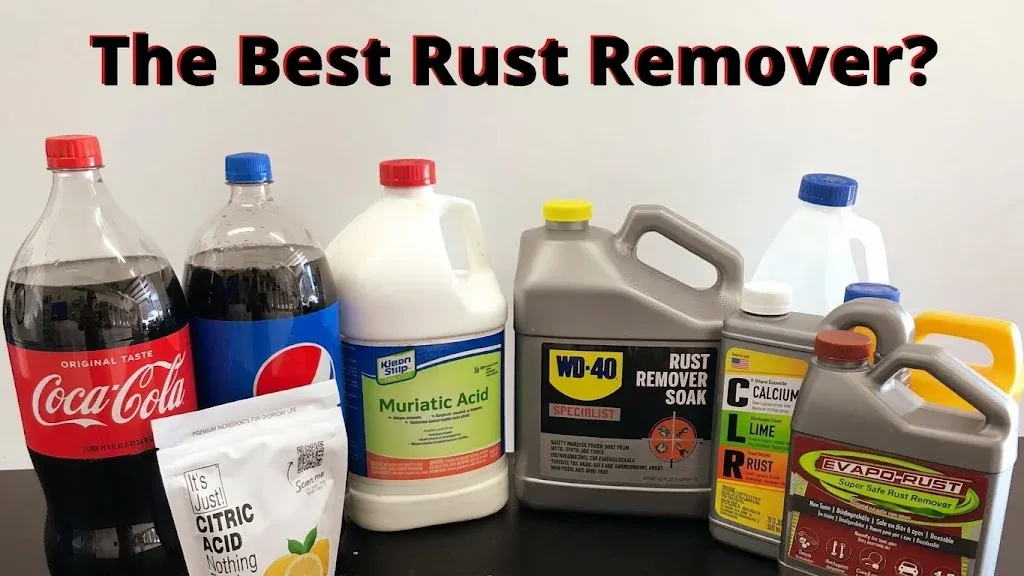
If you’ve got a crusty brake bracket you can yank off with a wrench, you’ll need something totally different than what you’d use on a rusted body panel stuck to the car for dear life. This guide’s gonna lay out seven of the top rust removers for cars—stuff most people have at least heard of. You’ll get the lowdown on what each product actually does well, what kind of situations might trip you up, and honestly, the little moves that make any of these bottles work ten times better.
No wild advertising claims and definitely no outright lies about “fixing” a giant hole in your floor pan—you’ll need a welder for that nightmare, not just a bottle.
Quick Comparison: Which Rust Remover Fits Your Job?
| Product | Type | Best for | Main thing to know |
|---|---|---|---|
| Evapo-Rust Original | Soak (acid-free) | Removable parts: bolts, brackets, brake hardware | Needs a clean, degreased part first |
| WD-40 Specialist Rust Remover Soak | Soak (acid-free) | Auto parts, tools, trailer hitches | Slows down below 60°F |
| Metal Rescue Rust Remover Bath | Soak (water-based) | Parts with a range of rust, from light to heavy | Strips bluing and some coatings too |
| Eastwood Rust Dissolver | Soak or gel | Frame parts you want to keep | Liquid soak needs 8+ hours |
| Loctite Naval Jelly | Acid gel | Vertical bare steel like panels and rails | Don’t let it sit longer than the label says |
| Krud Kutter The Must for Rust | Spray, brush or dip | Quick treatment of lighter rust | Check the label for your metal |
| CLR PRO | Mild cleaner | Light rust stains and mineral deposits | Spot test first |
How Every Rust Remover for Cars Actually Works (Three Types)
There’s one key detail that really makes picking the right rust remover way less confusing: all these products, no matter the label, break down into just three main types. Once you get that, the aisle full of options starts to make a lot more sense.
- Chelating soaks. Think of these as water-based baths — you drop your rusty part in, and the solution binds with the rust (that’s iron oxide) to pull it away from the clean metal underneath. No harsh acids, which means your hands and whatever’s nearby stay a lot safer compared to traditional methods. The catch? Patience. You have to let your parts soak. It’s not fast, but it’s gentle and effective if you can wait. (Examples: Evapo-Rust, WD-40 Specialist Rust Remover Soak, Metal Rescue.)
- Acid gels and sprays. Now, these are the speedsters of the rust-removal world. The acid goes to work fast, chewing through rust much quicker than a soak would, and in gel form, it’s easy to keep in place even on vertical or awkward surfaces. But here’s the flip side — you have to be careful. The same acids that melt rust will eat paint, dull chrome, corrode aluminum, and burn your skin if you’re not paying attention. Extra caution and good gloves go a long way. (Examples: Loctite Naval Jelly, Eastwood Rust Dissolver.)
- Inhibitors and mild cleaners. These are more for light rust, minor stains, or touch-ups. Some of them even leave behind a thin protective film, which helps buy you some time before rust tries to make a comeback on your newly cleaned metal. (Examples: Krud Kutter The Must for Rust, CLR PRO.)
Here’s something most guides never bother to mention: a rust remover isn’t the same as rust protection. Once you get rid of the rust, your metal’s bare and, honestly, more vulnerable than ever. Leave it uncoated, and rust will start forming all over again, sometimes even quicker than before. So, after cleaning, don’t wait around — cover it with primer, paint, or another rust-stopping coating as soon as you can. That last step really makes all the difference if you want your hard work to last.
Best Rust Remover for Cars: The 7 Products Reviewed
1. Evapo-Rust Original: The easiest soak to use
Evapo-Rust works through something called selective chelation. Basically, it latches onto the rust but leaves the actual metal alone—so you don’t have to worry about it eating away anything important. It’s water-based and doesn’t use acids, so it’s pH neutral. The manufacturer even says it’s non-toxic, which takes some of the worry out of the process.
This stuff is perfect for bolts, brackets, brake hardware, and other smaller car parts like suspension bits or engine pieces—the kinds of things you can actually take off and dunk into a solution.
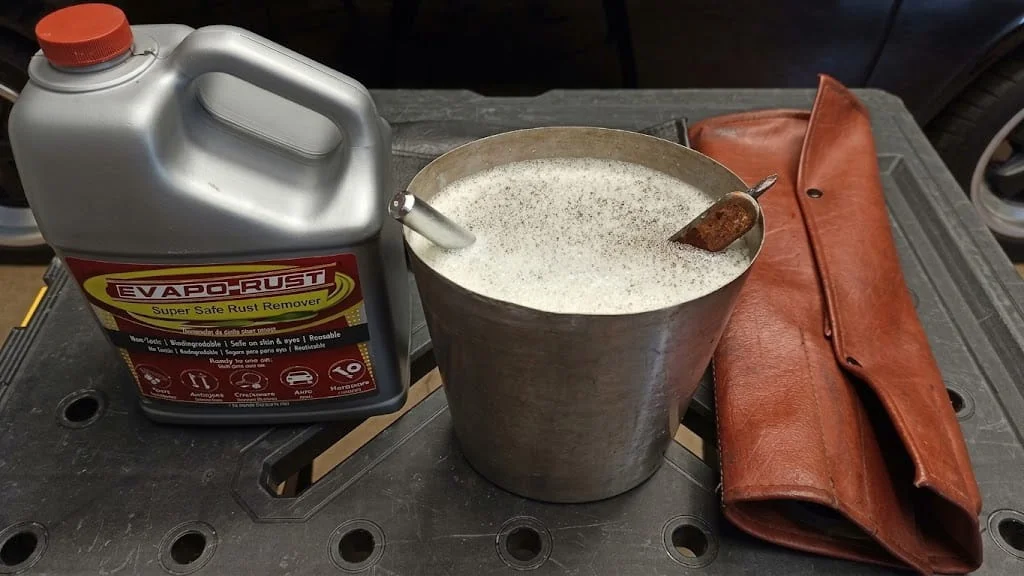
Here’s what you can expect: Evapo-Rust pulls rust off steel and iron completely on its own, so you don’t even have to scrub. It’s also supposed to be fine for aluminum, so you can use it on a few different metals without panic. A single gallon handles up to 300 pounds of rusty iron before it’s no longer effective, which means one bottle is enough to clean a whole pile of smaller parts.
A couple tips before you start: Always degrease your parts first, because leftover grease or really strong degreaser residue will make Evapo-Rust way less effective. When you pull your stuff out, rinse and dry everything right away—otherwise, you risk flash rust or residue drying on the metal. So, with a little prep, you get a simple, powerful way to restore small metal pieces without a lot of mess or hassle.
2. WD-40 Specialist Rust Remover Soak: Not the can in your garage
This stuff isn’t the same as the multi-use spray—it’s a totally separate deal. It comes as a ready-to-use soak, designed to zap rust without using harsh acids or those super caustic chemicals some other products have. The folks at WD-40 claim it won’t irritate your skin, plus there aren’t any VOCs in the mix, so you don’t have to worry about that nasty chemical stink or headaches.
Honestly, this soak is perfect if you’ve got a pile of rusted auto parts, trailer hitches, random bits of farm equipment, or crusty old tools lying around. It’s seriously built for jobs like those.
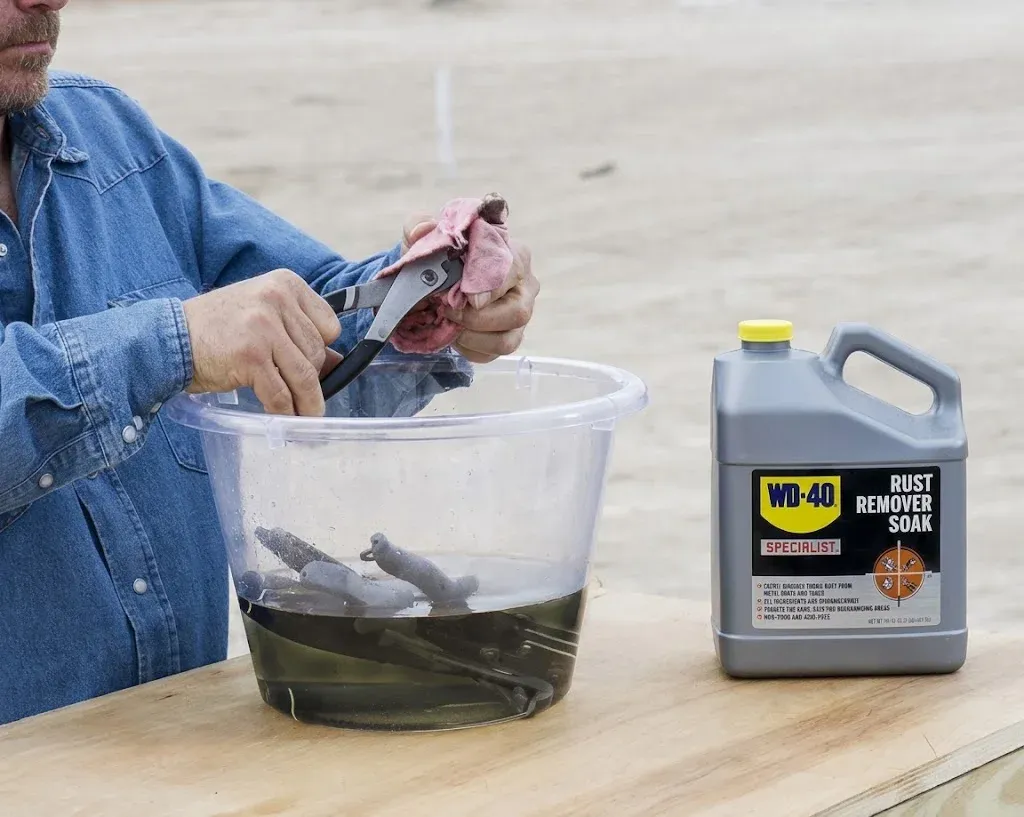
Here’s what it does: For light rust, it’ll get the job done in about half an hour, medium rust takes overnight—say 8 hours—and heavy rust needs a full 24-hour bath. Not a one-and-done situation either; you can actually use it over and over until the solution goes black and just stops working. WD-40 says it’s safe for steel and aluminum—even if there’s some rubber, plastic, or paint nearby, so you won’t wreck everything else in the process.
Heads-up, though: It moves slower if your shop’s cold—under 60°F, it’s gonna take its sweet time, so it’s better to work inside if you’re anywhere chilly. Also, if you’ve got any nice oxide coatings or bluing on your metal (like gun parts or fancy tools), steer clear, because it’ll strip that too. Don’t let it wreck the finishes you actually want to keep.
3. Metal Rescue Rust Remover Bath: Flexible for different rust levels
Metal Rescue is basically a water-based solution—no harsh acids or nasty solvents involved. If you check out Blaster’s own instructions, the soak times depend on how rusty your stuff is: light rust? Give it up to 2 hours. If it’s moderate, bump that up to around 12, and if you’re dealing with heavy rust, you might be waiting as long as 48 hours.
Honestly, it’s the kind of thing you wanna use when you’ve got a random assortment of metal bits—some are barely rusty, some look like they’ve been buried for decades. It’s pretty versatile.
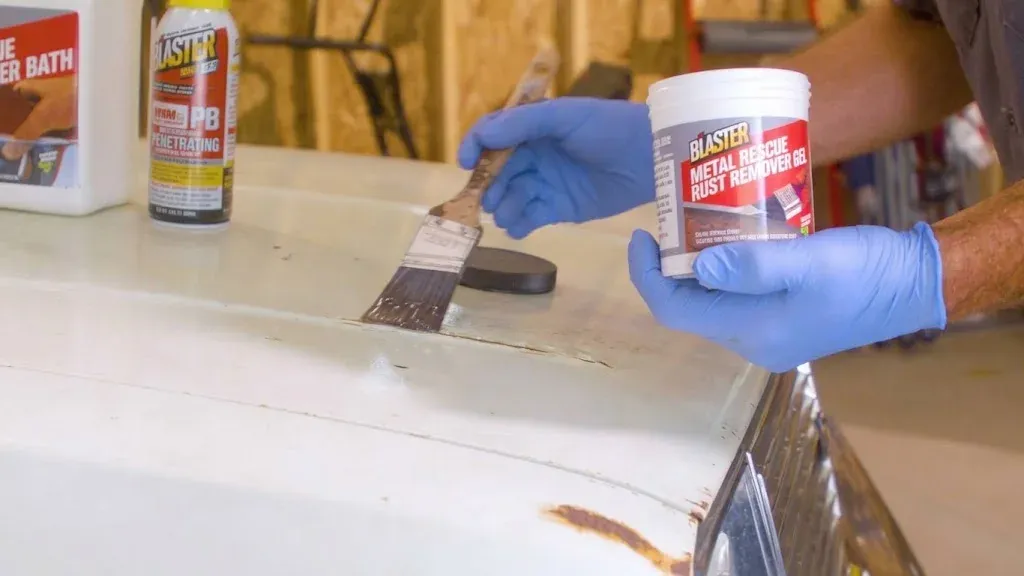
So, what actually happens? This stuff strips rust off iron and steel pretty effectively. Not only that, it’ll brighten up copper and brass as well—a little extra bonus. As for coverage, a gallon can handle about 10 square feet of steel with moderate rust. If you’re impatient, you can always heat the bath up (think warm, not boiling!) to make the process faster. Plus, you don’t have to toss it after one use; you can reuse it several times, but once the solution turns jet black, it’s done.
But here’s the kicker: it’s not just going after the rust. It’ll also strip zinc phosphate coatings, bluing, and finishes similar to those. And, if you’ve got paint slapped on top of rust, that paint is coming off right along with the rust. Flaking paint? Yeah, long soaks could totally destroy it. Before you go dunking your prized parts, test a spot that’s hidden or out of sight. And don’t get overzealous with the soak time, since that can actually make the metal look darker than you probably want.
4. Eastwood Rust Dissolver: For frame parts you want to keep
Eastwood totally brags about its dissolver actually targeting rust and leaving the steel untouched—which, for folks messing with old cars, is a big deal. You know, not every bracket or section can just be swapped out with something new, so salvaging as much original metal as possible? Yeah, that’s gold.
Honestly, it’s perfect for anything you don’t wanna lose even a millimeter of sturdy metal on. Think frame rails, suspension pieces, random brackets—the annoying bits you’d rather not hunt down on eBay. If you’re fixing up something with sentimental value or that rare classic, this stuff is pretty much your new best friend.
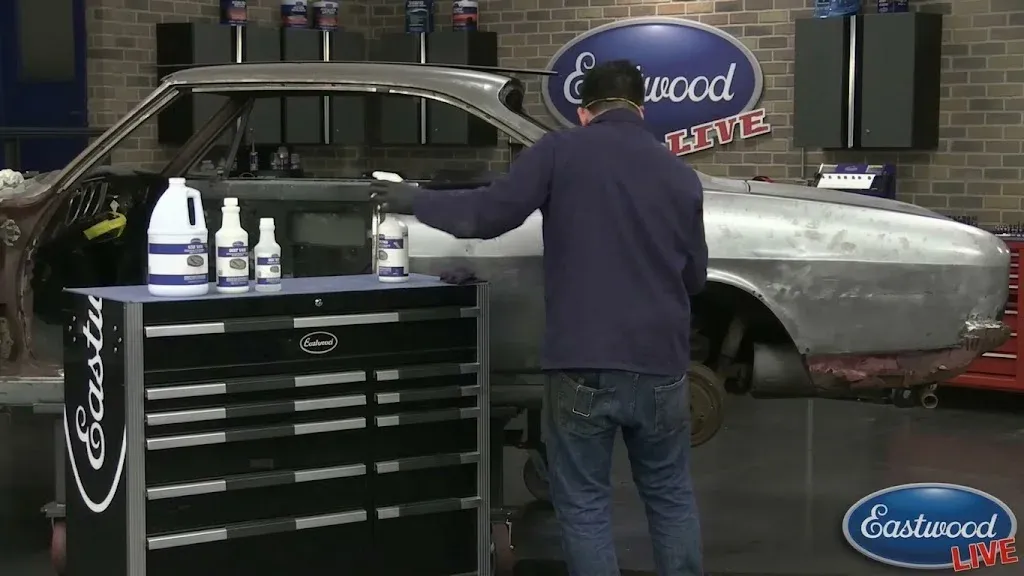
The product comes in two forms: a liquid you can dunk stuff in (or use a little pump to keep larger parts wet for at least eight hours—so forget instant gratification here), and a gel which you slather on, then throw some plastic wrap over to keep it moist. Apparently, one gallon covers about 20 square feet, and get this, you can re-use the leftover solution rather than pouring it down the drain. That’s pretty cool—and way less wasteful.
After it’s done its thing, you’ll wanna wipe the surface with Eastwood’s prep product. This gets rid of the flaky rust that loosened up, making sure the paint sticks well later. Oh—and don’t even think about rushing. This isn’t one of those magic “30 seconds and done!” fixes. You need some patience. Maybe work on something else while the rust dissolver does its slow, methodical thing.
So yeah, if you have parts that really need to keep their original steel—this is your stuff. Just be ready to wait it out, and don’t expect instant shine. It’s more about the long game.
3 Loctite Naval Jelly: The classic for vertical surfaces
Naval Jelly is a thick, gooey gel that relies mostly on phosphoric acid, with just a bit of sulfuric acid mixed in. The whole point of that dense consistency—and the added thickener—is to stop it from running all over the place. That’s actually why it works so well on tricky spots, like rocker panels and frame rails, where a runny liquid would just drip right off and make a mess.
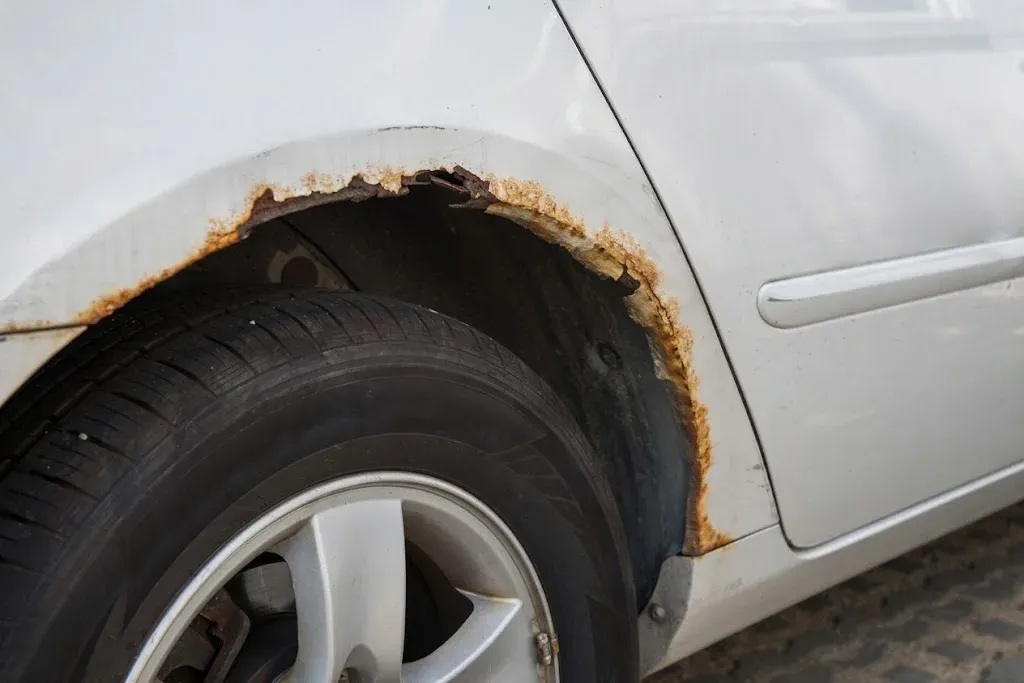
If you’re dealing with bare steel or iron, especially on vertical surfaces or places you can’t really soak, this stuff is perfect. You just grab a brush, slather the gel onto the rusty area, and let it sit for anywhere from five to ten minutes. Got bigger, nastier patches of rust? You can leave it up to fifteen minutes, but don’t push it past that—after a point, it can do more harm than good. Then just rinse it off with water. Sometimes the rust sticks around for a second round, so don’t be afraid to repeat the process if you have to. Once you’re happy with the results, make sure you prime and paint within a day, and stick to solvent-based paints for best results.
Now, there’s a big catch: this is seriously strong stuff. It’s acid, after all, and you want to keep it far away from anything that’s not bare steel or iron—think aluminum, chrome, stainless, and definitely plastic. If you accidentally get it on something painted, wipe it off right away. Leaving Naval Jelly on too long or piling it on too thick can backfire and actually cause new rust to form. So, always put on gloves and eye protection before you start, and read the instructions on the label—even if you think you know what you’re doing, it pays to double-check. Better safe than sorry.
2 Krud Kutter The Must for Rust: A quick spray-on option
This water-based rust remover takes a straightforward approach to cleaning up metal. Basically, you can spray it on, brush it on, or dip parts into it—whatever works. It’s supposed to attack rust and oxidation fast, finishing the job in just 15 to 30 minutes. If you’re worried about how much you’ll need, here’s an idea: a 32-ounce bottle will treat somewhere between 75 and 125 square feet. That’s not bad, especially if you’ve got a few tools, bike parts, or a metal gate that’s just starting to show some rust.
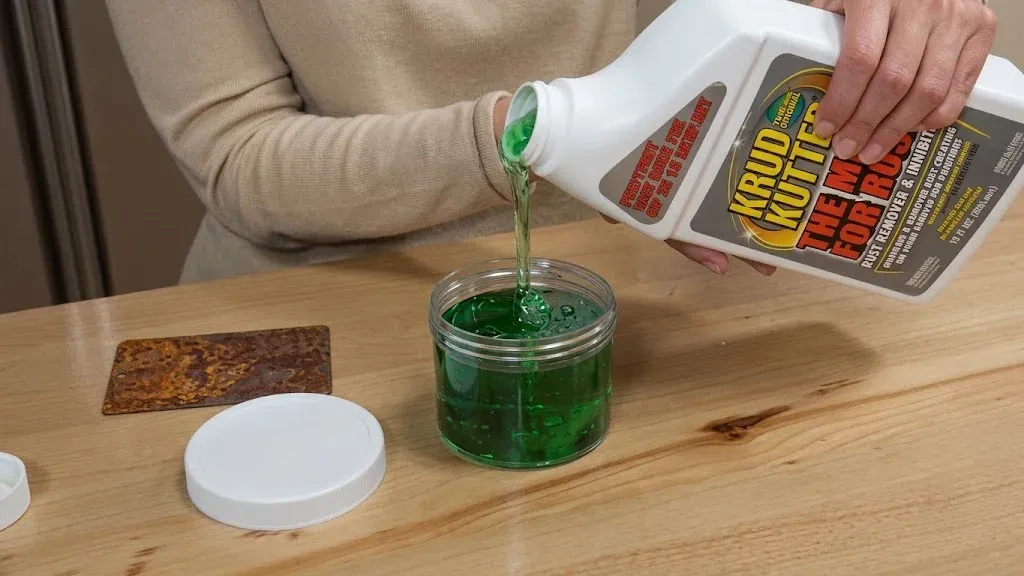
Honestly, this stuff shines when you’re dealing with lighter rust—those spots where you want quick results without a giant mess. It’s perfect if you don’t want to spend hours scrubbing and soaking. After using it, the metal is prepped and ready for primer or paint, which makes your life way easier if you’re fixing up something exposed to the weather. The product claims it’ll keep new rust at bay for up to a year, but don’t take that as an excuse to skip primer or paint on outdoor projects. If you want lasting protection, those finishing steps still matter.
Before you jump in, take a second to read the label. The directions show exactly what surfaces are safe and how to get the most out of the product. One thing to keep in mind: if you’re dealing with heavy, pitted rust—like something you found out behind the shed that’s been there for years—this isn’t a miracle worker. For serious jobs, you’ll probably need a stronger soak or a different treatment. Still, for small repairs and light rust, this product is quick, clean, and easy to fit into your weekend to-do list.
1 CLR PRO Calcium, Lime and Rust Remover: The gentle all-rounder
CLR PRO runs on lactic acid, which acts as a chelating agent to tackle grime. EPA’s Safer Choice program backs it, so you know you’re getting a cleaner formula without bleach, ammonia, or phosphates—none of those harsh ingredients that leave you worrying after you clean.
This stuff really shines when it’s up against light rust stains, stubborn mineral deposits, or if you’ve got smaller tools or hardware that need a touch-up. It’s not the hero for majorly corroded parts, but for everyday messes, it absolutely does the trick.
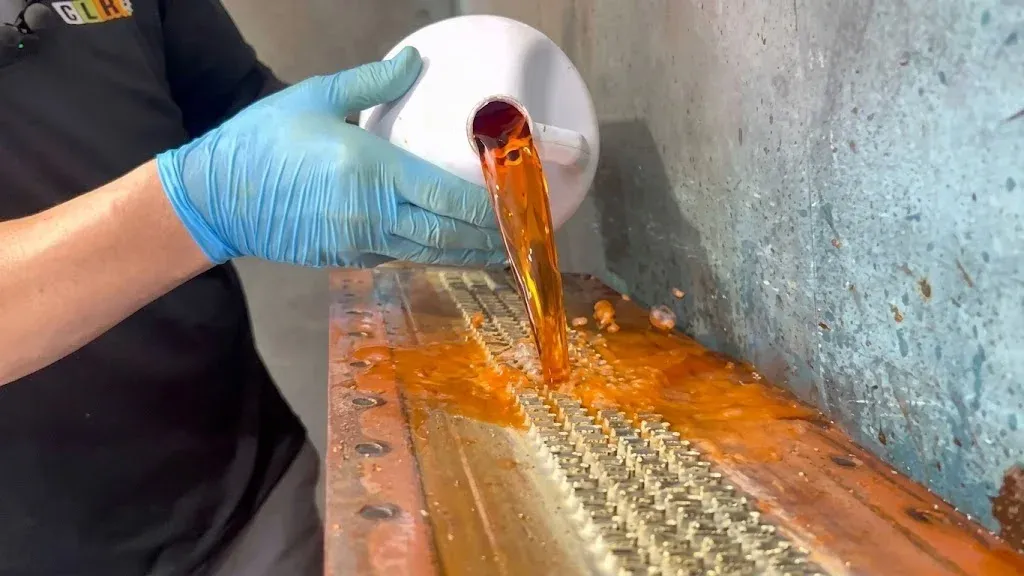
They make it pretty easy with mixing directions: if you’re facing a bit of dirt, mix one part CLR with four parts warm water. If it’s looking rougher, bump it up to a 1:1 ratio. When it’s grime city, you can use it straight from the bottle. After you scrub, give everything a rinse with cold water, and don’t hesitate to go at it again if you still see spots.
One thing to keep in mind: the official uses lean heavily towards standard household work—think tile, glass, sinks, bathroom fixtures, that sort of thing. It’s not really meant for cars or heavy-duty industrial jobs, so don’t plan on restoring a rusty engine block. Always try it out on a small spot before you really go to town, just to be safe. And honestly, if you’re fighting thick, crusted-on rust, you’ll probably want something more powerful. CLR PRO is better as a gentle, safe option for touch-ups and lighter cleaning tasks.
Line by Line: Which One Should You Pick?
- Best overall for removable parts: Evapo-Rust. Simple, acid-free and well documented.
- Best for heavy rust on a part you can soak: Metal Rescue or WD-40 Specialist, because both list long soak times for heavy rust.
- Best for frame parts you want to protect: Eastwood Rust Dissolver.
- Best for panels and rails on the car: Loctite Naval Jelly. The gel stays put, but it needs the most careful handling.
- Best for a quick spray-on job: Krud Kutter The Must for Rust.
- Best for light stains and small tools: CLR PRO.
- Best if you hate fumes: Evapo-Rust, WD-40 Specialist or Metal Rescue, since all three are acid-free soaks.
What You Can Do With a Good Rust Remover for Cars
- Restore bolts, brackets and brake hardware before refitting them.
- Clean suspension parts, hinges and latches that have surface rust.
- Prepare a frame or panel for primer and paint.
- Revive old tools, trailer hitches and farm equipment.
- Clean a rusty gas tank (Metal Rescue is described as suitable for tank rust removal).
- Remove light rust stains from small metal components and fixtures.
None of them will repair holes, rebuild thin metal or fix structural rust. If you can push a screwdriver through it, you need welding or a replacement panel, not a bottle.
A Budget Option That Actually Works
If you’re trying to save money, food-grade citric acid mixed with warm water is one of those old-school tricks people still use to tackle light rust on smaller parts. It won’t cost much, but you need to be patient—this method takes longer compared to the fancy removers you see in stores, and the results aren’t always consistent. Honestly, it’s smart to test it first on something small that doesn’t matter much. After soaking, rinse everything thoroughly and make sure to dry the parts right away, or you might end up dealing with new rust.
Frequently Asked Questions
What’s the best rust remover for cars?
There’s no magic solution that fits every situation. If you can take the part off the car, soaking it in Evapo-Rust is tough to beat. It’s easy and effective. But if you’re working on vertical surfaces, like body panels, gels—Naval Jelly is the classic—are your go-to. They stick in place and don’t make a mess.
Can I use car rust remover on painted surfaces?
You have to be careful here. Not all rust removers play nicely with paint. Acid gels can actually damage paint, chrome, or aluminum, so if you get some on those, wipe it off right away. The soaking products, like WD-40 Specialist or Metal Rescue, are generally milder and less likely to ruin paint—but you never really know until you test. Try the product first on a hidden spot and always read what the label says. Better safe than sorry.
The best rust remover for cars is the one that suits the job in front of you. Soak the parts you can remove, use a gel where you can’t, and always finish by sealing the bare metal. Read the label, wear protection and be patient. A careful afternoon now is cheaper than replacing a part next year.
Have a favorite rust remover or a rust-fixing story of your own? Share it in the comments.
Hi, I’m Mike. I write practical, no-nonsense guides about car care, repairs and the products that actually earn a place in the garage.I test and research products so you don’t have to guess, and I always point you to the manufacturer’s own instructions. If I get something wrong, tell me and I’ll fix it.
Contact: carcarehub5@gmail.com
Disclaimer: This article is for general information only. Rust removers can contain strong chemicals. Always read and follow the manufacturer’s label and safety data sheet, wear suitable protective equipment, and consult a professional for structural rust or safety-related repairs. Product details and availability can change, so check current information before you buy.