Walk into a car meetup and just ask, “Which brand is the most reliable?” Suddenly, it’s chaos. One person swears his Toyota hit 250,000 miles without a hiccup. Someone else jokes that his BMW has its own parking spot at the mechanic’s. Both are telling the truth. That’s the catch: one car’s story means almost nothing for the whole brand. Brand reputations stick around forever, even if the cars themselves change completely. A company earns its name in the ‘90s, but by now, the engines, the transmissions, the electronics—practically everything—is totally different.
So instead of just trusting whatever badge is on the hood, I want to dig into what actually breaks inside these cars. Let’s line up seven popular brands and ask just one thing: how much hidden work does it really take to get this car past 200,000 miles? Honest heads-up before we jump in: this isn’t some scientific deep-dive. These rankings are my take, based on what owners and mechanics talk about most. Your experience can change by model, year, and how well it’s been maintained. Take this as a guide—something to keep in mind—not a final judgment.
7. VOLKSWAGEN
Fun to Drive, Fussy to Own If you’ve ever taken a Golf, Jetta, Passat, or Tiguan out for a spin, you know what all the fuss is about. They grip the road and feel genuinely fun—there’s an energy to them that’s hard to fake. But, honestly, after a few years, the headaches start to pile up. The 2.0L turbo engine (EA888) is a classic example. People love how it pulls, but it relies on a bunch of plastic parts that just don’t hold up. The thermostat housing and water pump are notorious for leaking, usually somewhere between 50,000 and 70,000 miles. If the upper timing cover starts to leak oil,

that hot mess eats away at rubber seals and only makes your coolant issues worse. You also can’t ignore the carbon buildup. With this direct-injection engine, fuel doesn’t wash over the intake valves, so gunk slowly collects. Most owners end up having the valves walnut-blasted every 60,000 to 80,000 miles to keep things running right. Then there’s the DSG gearbox. It’s actually pretty tough, but only if you change the fluid and filter every 40,000 miles. Skip that, and the mechatronic unit usually ends up as the sacrificial lamb. And don’t forget the little annoyances: sunroof drains clog and let water sneak into the wiring, door latch switches give up, and sometimes the infotainment system decides it wants to drain your battery just for fun. One key bit of advice—if your car has an electric parking brake, you have to use a scan tool to put the rear brakes in service mode before changing pads. Ignore that, and you’ll probably wreck the caliper motor. Just another quirk in the Volkswagen experience.
6. Land Rover: Gorgeous, Capable, Demanding
Nobody really chooses a Defender or Range Rover just to be practical. Let’s be honest—they look amazing, and they can get you places most cars wouldn’t even try. But they’re not low-maintenance, and you sign up for a few headaches when you drive one.
The biggest trouble spot? The cooling system. If you have the 5.0L V8 or the supercharged 3.0L V6, you’ll find a bunch of plastic coolant pipes tucked under the supercharger. Years of heat cycles make those pipes brittle, and when they fail, they usually go fast. By the time the dashboard lights up with a warning, damage is probably already done. Plenty of owners swap in aluminum pipes before anything breaks, just to be safe.

Now, if you’re running one of the newer four-cylinder Ingenium engines, there’s a different gamble. Land Rover says you can go a long time between oil changes, but a lot of mechanics aren’t buying it. The timing chain guides and tensioners in these engines are known to wear out, and they’re hidden way at the back—so fixing them costs a lot in labor.
That’s not all. Air suspension can start having issues from moisture as these things age, and the electronics get fussy if the battery voltage drops too low.Sometimes, just getting to the turbo or steering rack means lifting the whole body off the subframe.
So, what can you do? Change the oil more often than the book says, keep the battery strong (a trickle charger helps if you drive short distances), and don’t wait on changing the differential and transfer case fluids. It all adds up to smoother ownership—and fewer nasty surprises.
The only way to keep costs from spiraling out of control is to swap out those flimsy plastic coolant pipes for aftermarket aluminum ones, stick to strict 5,000-mile oil changes (so you protect the variable valve timing), and use trickle chargers to keep the electronics happy if you’re just doing short trips. Also, changing the differential and transfer case fluids sooner than Land Rover recommends helps prevent the rear differentials and transfer boxes from chewing themselves up. Do all that, and you’ll keep the big repair bills at bay for a lot longer.
5. BMW: Better Than Its Reputation, With Conditions
Okay, so here’s the deal: if people are still picturing BMWs as fragile, drama queens when it comes to reliability, they probably haven’t messed with a modern model packing the B58 or B48 engines. Seriously, it’s almost like BMW finally decided, “Alright, enough teasing, let’s build something that actually lasts.” The B58 especially? Respect. That engine is all aluminum block, beefy forged bits inside, none of the sketchy bearing issues that made the old N54 and N55 engines infamous around the water cooler. Put that powerhouse together with the ZF 8HP automatic transmission and, man, you’ve got yourself a drivetrain that’s pretty much bombproof… as long as you don’t buy the “lifetime fluid” nonsense. Trust me, “lifetime” means “until the warranty’s up and then, whoops!”

If you’re smart, you’ll swap out the fluid and filter every 60,000 miles or so. Seriously—it’s cheap, simple, and will save you a world of headache down the road. But BMW can’t just give us everything, right? There’s always a little “gotcha,” and in this case, it’s heat. These engines run hot—like, intentionally hot—for efficiency, and then they’re shoved under seals and plastic covers that make things even toastier. Not ideal for anything plastic. You gotta watch out for brittle oil filter housings once you hit 70,000 miles; they can start leaking oil and coolant without warning.
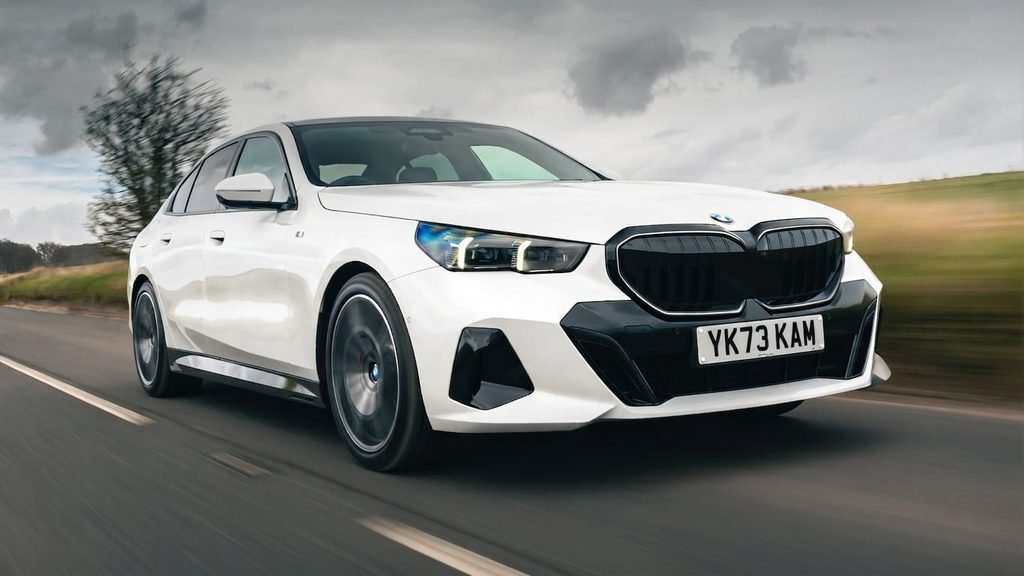
And don’t even get me started on the thin coolant vent line—it breaks if you sneeze near it. The valve cover’s internal diaphragm? If it tears, you’ll hear whistling and notice your oil mysteriously vanishing. Then you have the “where did the coolant go?” issue, which usually isn’t anything dramatic—just tiny leaks from pressure caps slowly vaporizing away. Look, folks who own these newer BMWs and love them don’t just drive and forget. They go proactive: they ditch the plastic coolant stuff for aluminum, they swap out those expansion tank caps before they turn ancient, and they’re religious about sticking to the right synthetic oil. Do all that—keep up with the few weak spots—and honest, you’ll get a BMW that sneaks up super close to the legendary reliability people brag about in Japanese cars. Not perfect, but totally in the same ballpark if you play it smart.
4. Honda: Still Good, But No Longer Effortless
Honda earned its reputation with those classic K-series engines — they’re the stuff of legends. These days, the newer models hold their own, but you can’t just rest on the brand’s history. People expect more than nostalgia; they want reliability and performance that actually live up to the hype. Let’s talk about the 1.5-liter turbo found in the Civic, CR-V, and Accord. It’s a lively engine but has this quirk: during short, cold trips, fuel sometimes sneaks past the piston rings and dilutes the oil. It’s not the end of the world, but you do need to tweak your routine. Just don’t let your car idle too long, stick to oil changes roughly every 5,000 miles, and always go with a high-quality API SP synthetic. As these engines get older, the cooling system gets more important — especially near cylinders two and three.
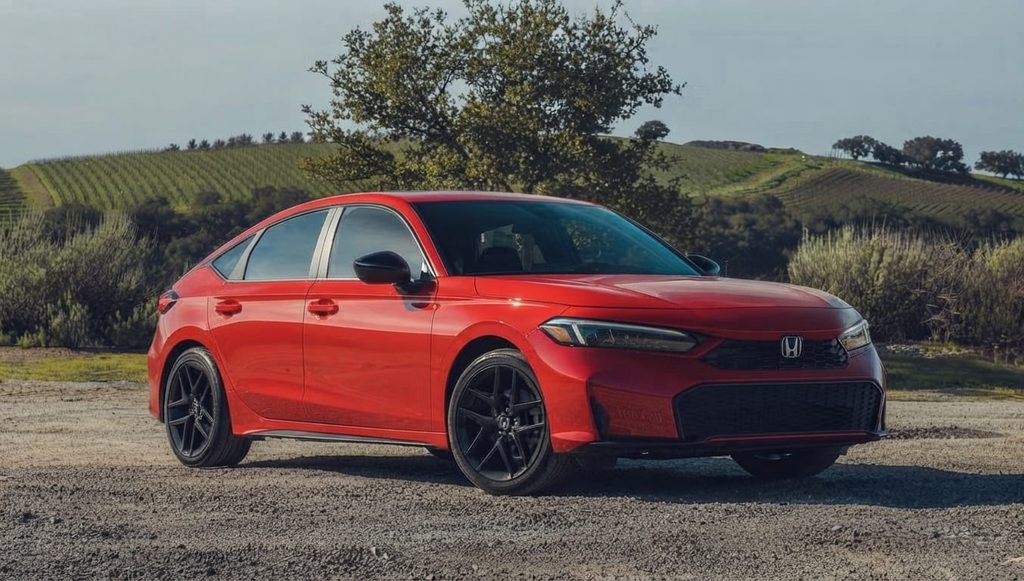
They run a bit hotter, so any cooling issues can cause trouble fast. Now, the 3.5-liter V6 is another animal entirely. Honda gave it Variable Cylinder Management to squeeze out better fuel economy, which sounds great on paper. But there’s a catch: VCM can lead to uneven heating, fouled spark plugs, and even wear out the engine mounts before their time. No wonder so many owners go ahead and install a VCM bypass to keep things consistent and prevent those headaches. Honda’s CVT transmission is another spot where you need to pay attention. It relies on a metal push-belt and is really picky about the transmission fluid you use. Don’t mess around — only use Honda’s HCF-2 fluid, and swap it out every 30,000 miles.

Besides that, Honda still uses solid mechanical lifters on most of its engines. That means the valve lash needs checking at least every 100,000 miles. If you skip it, you risk tight exhaust valves that lead to misfires or even burned valve seats — not fun to fix. Honestly, if you keep up with the basics — regular fluid changes and sensible maintenance — hitting 300,000 miles is totally doable. It’s not as effortless as those old days, but with a little care, your Honda will stick around for the long haul. It takes more attention now, but that’s the price for modern tech and efficiency.
3. Nissan: The Story Is the Transmission
You wanna get a Nissan? OK, great, but—talk to any halfway honest mechanic and watch how fast the word “CVT” comes up. Seriously, it’s like clockwork. The so-called smooth-shifting CVT (that’s Nissan’s continuously variable transmission, if you’re new here) has this reputation for being… finicky, let’s say. The shudder you sometimes feel? Yeah, that’s not always just a tired old belt slipping around. What actually happens is, over time, microscopic metal flakes break off the belt and pulleys. These bits float around in the transmission fluid like glitter in a snow globe, and eventually they scratch up sensitive parts—like the bore for the hydraulic pump’s valve. Once that valve gets nicked up and starts sticking, boom: pressure drops, the belt loses its grip, and suddenly you’ve got more slip than traction.
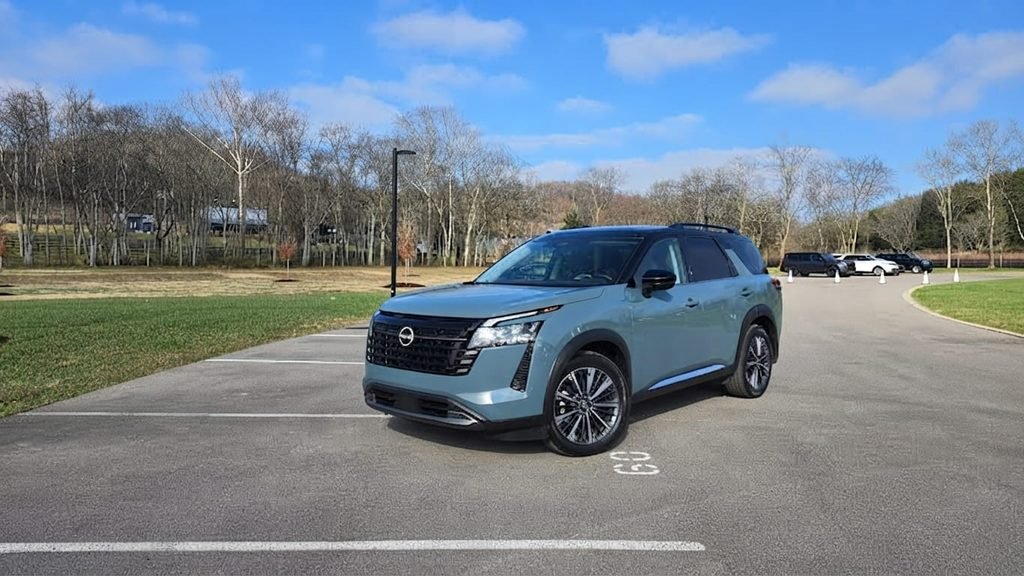
If you’re cruising through a Texas summer or stuck in beach traffic? The mediocre stock transmission cooler just can’t keep up with the heat, which only speeds up the ugly process. If you’re determined to push your CVT toward that mythical 150,000-mile club, there are a few real-world tricks. Swap out the fluid religiously, say every 30,000 miles, and don’t cheap out—get the official Nissan stuff. It’s one of those times the brand-name markup is absolutely worth it. Don’t forget to replace the internal and external filters too, ’cause what’s the point of fresh fluid if the filter’s already full of sparkly shrapnel? If you live where the sun wants to murder you or you actually use your crossover to, you know, tow stuff, it’s smart to add an aftermarket transmission cooler. It’s like giving your CVT a chance to breathe. Anyway, despite the transmission drama, other parts of Nissan’s lineup are actually solid. That naturally aspirated VQ V6? That’s basically the hero engine—more marathon runner than sprinter.
As long as you change the oil on schedule, seeing 250,000 miles isn’t some wild fantasy. Just regular maintenance and you’re golden. Not everything Nissan touches is stuck in CVT-land either. The newer Pathfinder and Frontier models ditched the CVT and went with a nine-speed conventional automatic. Sensible move, honestly, and owners are a lot less anxious because of it. The VC-Turbo in the Rogue is its own beast—sort of engineering sorcery that lets you have both power and fuel economy, at least in theory. But it’s choosy. Skimp on oil quality or intervals and you’ll pay for it. Synthetic oil is the way to go here, no debate. If you’re eyeing older Altimas or Maximas, heads up: a tired 12V battery can mess with electronics in weird ways—random warnings, steering lock refusing to disengage, that sort of nonsense. Feels more 2000s-GM than Nissan, but it happens. So, bottom line: Nissan’s got real strengths, but ignore the quirks at your own risk—especially when there’s a CVT badge hiding under the shifter.
2 . Mercedes-Benz: Brilliant Engineering, Expensive Surprises
Let’s be real: You buy a modern Mercedes, you’re in for an experience. These things are absolutely loaded with smart engineering tricks—sometimes so clever, your bank account starts hyperventilating. Take the M274, M276, and M278 engines. Here’s a wild one—oil can actually wick its way down the wiring harness from the camshaft sensors straight to the engine computer. That’s not a slow leak either; it’s a sneaky, silent electronic sabotage that fries circuits and turns your smooth Mercedes into a misfiring mess. Some people install sacrificial connector isolators just to stop that specific oil migration—yeah, “sacrificial” is literally in the name. Now, let’s flip to the transmission.
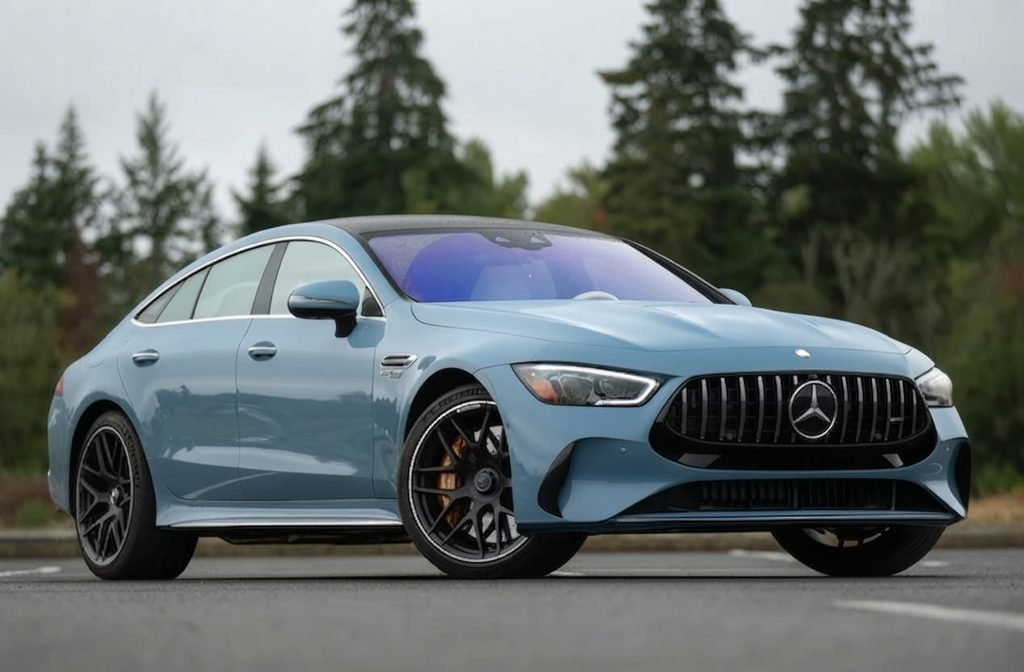
The 7G-Tronic and those early 9G-Tronic gearboxes? Fantastic in theory—until the speed sensors built inside the conductor plate lose their minds and decide today’s the day the car goes into limp mode. Suddenly, you’re crawling like your grandma’s out for a stroll and the dealership’s about to become your second home. And then there’s Airmatic. Sounds luxurious, right? It absolutely is, until those air bags dry out and start leaking, or a relay fails and keeps the compressor cranking until it scorches itself to death.

Your car sags like it just finished a marathon and every bump in the road becomes a personal insult. Don’t forget these new 48-volt hybrid setups—slick, efficient, and occasionally about as reliable as flip-phone Bluetooth. If the auxiliary battery throws in the towel or the software glitches, don’t expect your car to wake up in the morning. And here’s the kicker: Blocked drainage channels, like at the cowl or sunroof, can let rainwater pour right into the electronics that control things like your lights or in-car networking. One day, all your warning lights are strobing like a disco, and the next, you’re stuck with a bill for fried modules that’s enough to make your eyes water. Look, if you want the Mercedes experience to stay more “dream car” than “nightmare money pit,” you’ve really got to keep up. Stay vigilant about clearing sunroof and cowl drains. Use real diagnostic tools—not just a $20 eBay scanner. Don’t trust the “lifetime” transmission fluid story; change it every 40,000 to 50,000 miles, or sooner if you actually like your gearbox. And for the love of all things holy, use the right Mercedes-approved oil—because cutting corners here turns little problems into expensive horror stories. So yeah, owning a Benz is amazing, but only if you’re willing to play the long game—stay proactive and treat it right, or it’ll bite back with a vengeance.
1. Toyota: Not Perfect, Just Least Dramatic
Toyota sits at the top of the list—not because it’s perfect, but because when you get down to it, its long-term maintenance just doesn’t weigh you down like the others do. You don’t notice it day to day, but over the years, that really adds up. Let’s look at their engines. The Dynamic Force engines are pretty clever; they use both direct and port fuel injection. That means fuel still washes over the intake valves, which does a lot to cut down on carbon buildup—something that can become a real headache in other modern engines with only direct injection. Then there’s the hybrid transmission.
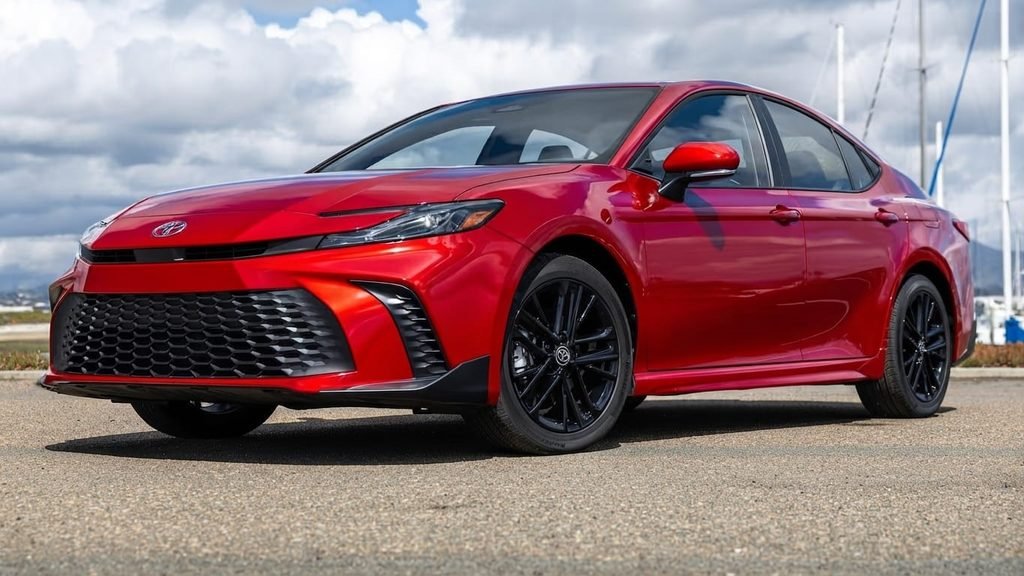
Instead of complicated push-belts or fragile clutches, you get an old-school planetary gear set that’s basically bombproof. As long as you swap out the fluid every 60,000 miles or so, keep up with the right coolant (Toyota uses specific fluids for both engine and inverter), and clean out that little battery fan filter now and then, you can absolutely see one of these hybrids stretch comfortably beyond 300,000 miles. Still, Toyota isn’t immune to pain points. If you’re in a part of the world that gets a lot of snow and salt—say you own a RAV4 Hybrid—you have to watch out for the rear motor cables.
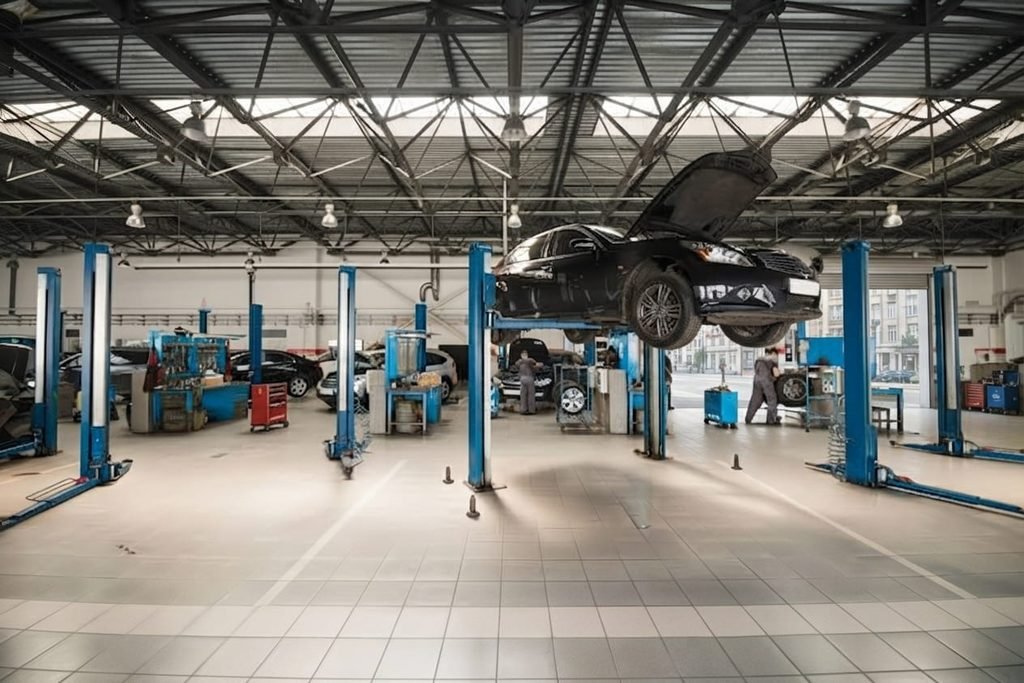
Salt and moisture can corrode them, but a decent set of splash shields can save you some trouble. There’s also the early 3.4L V6 Tundra engines; those had some crank bearing issues. Changing oil more often, and using the right oil grade, helps a lot here—this little habit can keep serious trouble at bay. With Toyota trucks, it pays to be a bit fussy about maintenance: protect the frame from rust, and remember to grease the prop shaft slip-yokes so you don’t end up with squeaks or clunks down the road. Bottom line—Toyota makes it relatively easy to play the long game. If you handle the little things, there aren’t any big, ugly surprises lurking over the horizon. That’s a big reason why so many Toyotas just seem to keep going, year after year.
Let’s be honest. When people toss around words like “bulletproof” or “junk” to describe a car, they’re really oversimplifying things. Automotive reliability has shifted big time. Cars today aren’t like your granddad’s reliable old sedan or his loud pickup—they’re more complex, loaded with sensors, computers, and squeezed-in parts that make everything harder to reach. Whether it’s a budget hatchback or a pricey luxury SUV, every manufacturer is wrestling with strict emissions laws, tangled electronics, and engine designs that are jammed tight.
That old “tried and true” thing doesn’t really apply anymore. So, what actually keeps a car reliable? Why does one machine keep humming along for years, while another drains your wallet with endless repairs? It comes down to a few practical habits nobody really likes to talk about, but that actually matter. First—don’t just trust flashy reviews or random opinions in forums. Dig deeper. Figure out what’s going on with your specific model and year. Every car has its own little weak spots: maybe a fancy new sedan fries its transmission after 75,000 miles, or there’s a hose that always cracks after five years.
Arm yourself with knowledge about those quirks, and you’ll be ahead of the curve—less likely to get slammed with surprise repair bills. Next—ignore the slick “lifetime fluid” marketing. It’s just a way for automakers to brag and cut service costs, but it doesn’t help you. Oil, transmission fluid, brake fluid—all of it gets contaminated and breaks down eventually.
The manual might say you can stretch replacements, but honestly, regular fluid changes are cheap insurance. If you skip them, you’re pretty much asking for trouble down the road. And pay attention to the little clues your car gives you, even when you wish they’d just go away. That tiny oil spot under your car? The coolant level that keeps dropping? The check engine light that keeps blinking on and off? Don’t brush them off. Small issues almost always become bigger, nastier problems if you wait too long. Take care of them early, and you’ll save yourself a ton of stress—not to mention money. Reliability isn’t some magical reputation, or a shield that comes from sticking a certain badge on the hood. It’s about knowing your car’s weak points, sticking with proactive maintenance, and staying sharp when something seems off. Sounds simple, but most folks don’t bother. If you do, chances are your car will surprise you—running strong longer than you ever expected, no matter who made it or what the internet says. It all comes down to being thoughtful and a little bit stubborn about upkeep. That’s what really counts.
ABOUT ME
Hey, I’m Mike, the guy behind Car Care Hubs. I made this guide because, honestly, I keep watching people pick cars just for the name, then get blindsided by issues everyone knows about. Every car here can go the distance if you understand its weak points and actually take care of it. Here’s my main advice: know your model inside and out, don’t believe the hype about “lifetime” fluids, and tackle small issues before they turn into big ones. And if you’ve run into an unexpected breakdown yourself, drop a comment—I want to hear your story.
What’s the strangest breakdown or design flaw you’ve come across? A coolant leak, a CVT shudder, mystery oil loss, or a high-mileage car that just refuses to die? Share it in the comments and I’ll gladly help with maintenance questions.
Disclaimer:
This article is general information based on commonly reported owner and mechanic experience. Always follow your owner’s manual and consult a qualified mechanic about your specific car.