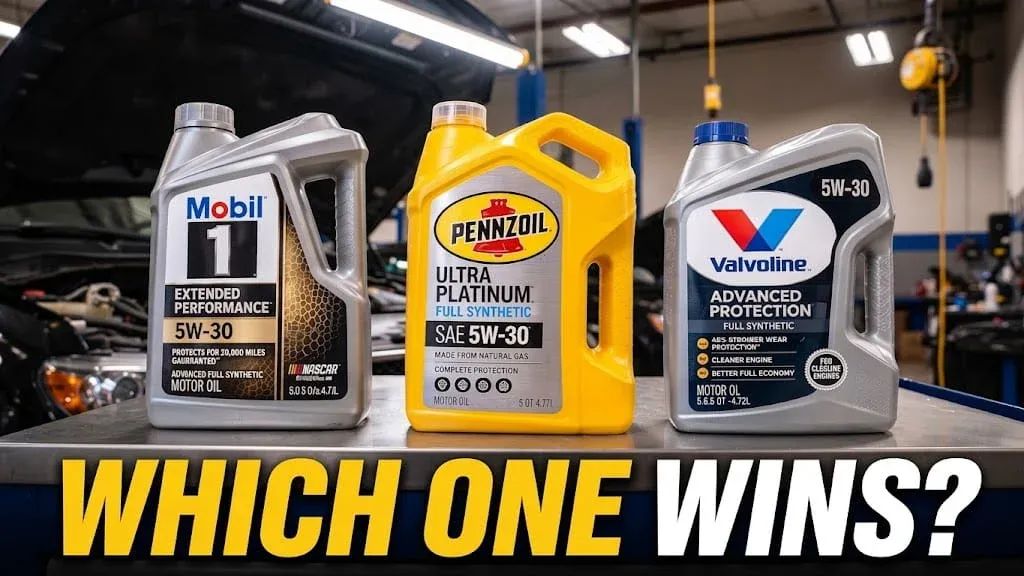
Engines don’t just tap out with zero warning—nah, they kinda give up in slow motion. That timing chain stretches little by little, month after month. The turbo’s a magnet for gunk, stuffing up those narrow oil passages every time things get hot and cool off again. Piston rings end up wearing a slick coat of crud from years of short hops instead of actual highway drives. So by the time your ears catch that weird clatter or a warning light blinks on, the engine’s already taken a beating, and fixing it?
Buckle up, ‘cause your wallet’s gonna feel it. Most of this slow-motion demise? Blame your oil. Picking the right bottle? Not as easy as grabbing whatever screams “Full SyntheticOils,” “advanced protection,” or “engine-cleaning power” in huge letters. Those flashy claims aren’t gonna help you when oil’s been hammered by freezing starts, sweltering afternoons, gas sneaking into the sump, or long turbo blasts. Anyway, let’s make sense of it.
I’ve lined up six popular synthetics you can actually find in the US, UK, or Canada: Mobil 1, Amsoil Signature Series, Shell Helix Ultra, Pennzoil Platinum, Castrol Edge, and Valvoline Advanced Full Synthetic. This isn’t an alphabet soup—I ranked ‘em from sixth up to first, and I’ll actually explain my reasons, not just toss scores around. Quick reality check before we get going: This comes from digging into official specs, OEM endorsements, third-party data, and stuff put out by the brands themselves. I didn’t rent a chemistry lab or anything. If a brand’s blowing its own trumpet for a number, I’ll call it out. And honestly, your car’s owner’s manual is gospel, not internet lists.
| Rank | Oil | Protection | Specs | Cleanliness | Cold flow | Value | Final score |
|---|---|---|---|---|---|---|---|
| 1 | Mobil 1 | 9 | 9 | 8 | 9 | 8 | 8.6 |
| 2 | Amsoil Signature Series | 9 | 8 | 9 | 10 | 6 | 8.4 |
| 3 | Shell Helix Ultra | 8 | 9 | 8 | 8 | 8 | 8.2 |
| 4 | Pennzoil Platinum | 8 | 8 | 8 | 8 | 8 | 8.0 |
| 5 | Castrol Edge | 8 | 9 | 7 | 8 | 7 | 7.8 |
| 6 | Valvoline Advanced Full Synthetic | 8 | 7 | 7 | 7 | 9 | 7.6 |
One thing to keep in mind: sixth place here still means a good oil. The gap between first and sixth is smaller than the gap between any of them and the wrong viscosity for your engine.
First, check the label (it matters more than the brand)
Before you pick a brand, triple-check these things: 1. Viscosity. Go with the grade listed in your owner’s manual or right there on your oil cap—stuff like 0W-20 or 5W-30. 2. The API mark. Right now, the hottest gasoline standards are API SQ and ILSAC GF-7. Here’s a little timeline: first licensing kicked off on March 31, 2025. After March 31, 2026, oils that only meet the older GF-6A can’t rock the API “Starburst” symbol anymore. GF-7A oils are backwards compatible, so you can absolutely pour a newer oil into an older ride—just stick to the right viscosity.
Both standards are big on handling low-speed pre-ignition (LSPI), which is that annoying gremlin mostly bothering small turbo direct-injection engines. 3. Manufacturer approval. Some carmakers are picky; they want their specific seal of approval, like GM dexos1 Gen 3, a Ford WSS spec, VW’s 504.00/507.00, or Mercedes’ MB 229.5. For European engines, you’ll often need something ACEA-rated (think A3/B4 or C3). If you’re buying off the shelf in the U.S., the bottle might not meet those Euro specs. And if you don’t see the approval clearly labeled on the bottle or the spec sheet, just skip it. “Meets the requirements of” isn’t the same as actually “approved.”
6th place: Valvoline Advanced Full Synthetic
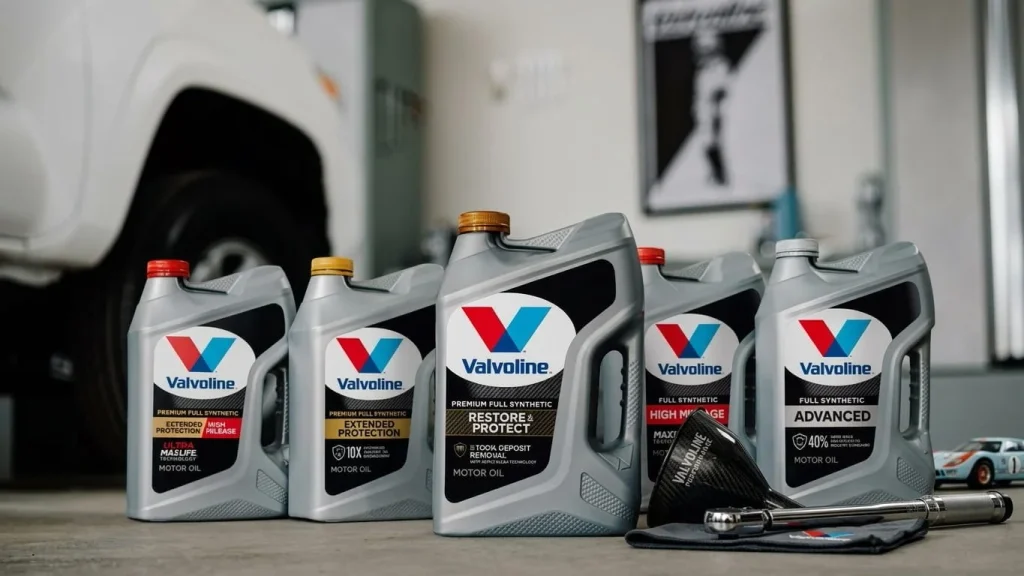
What it is: This stuff’s a popular full synthetic, sold everywhere, built to give decent protection without gouging your wallet.
Approvals: It’s got all the usual seals of approval—latest API SQ and ILSAC GF-7 standards—plus some extra nods from GM dexos1 Gen 3, Ford, and Chrysler. Don’t just grab any bottle, though: approvals change depending on the viscosity, so you actually have to flip the bottle over and read what you’re getting. And if you’re buying those big jugs or drums for your garage, keep your eyes peeled. Sometimes those don’t have the same official certifications as the smaller bottles you find at AutoZone. Better scroll through the data sheets online before you order a ton of it.
Why it ranks here: Honestly, it gets the job done. The protection is solid, the price is right, and there aren’t any huge drawbacks. It slips to sixth place because, when you look at all those technical specs, it just doesn’t have as wide a range, especially for European cars—it’s missing a bunch of ACEA or fancy German approvals. And it doesn’t have any flashy features, either; you’re not gonna find epic drain intervals or wild base oil chemistry. The marketing is all about wear protection and cleaning out deposits, which—let’s be real—are things you expect from any decent oil. Those claims are just basic industry benchmarks.
Best for: Folks commuting every day, owners of American cars and pickups, and pretty much anyone who wants oil that won’t let them down or drain their savings.
Not for: European cars needing ACEA or special German certifications, or people hoping to squeeze out super-long oil change intervals way past what’s written in their manual.
Price tier: Smack-dab in the middle—so you’re not blowing your budget but you’re not picking the cheapest stuff, either.
Verdict: Safe pick, totally reasonable. Is it the most thrilling oil? No, but that’s honestly a good thing. Sometimes boring is exactly what you want sloshing around your engine.
5th place: Castrol Edge
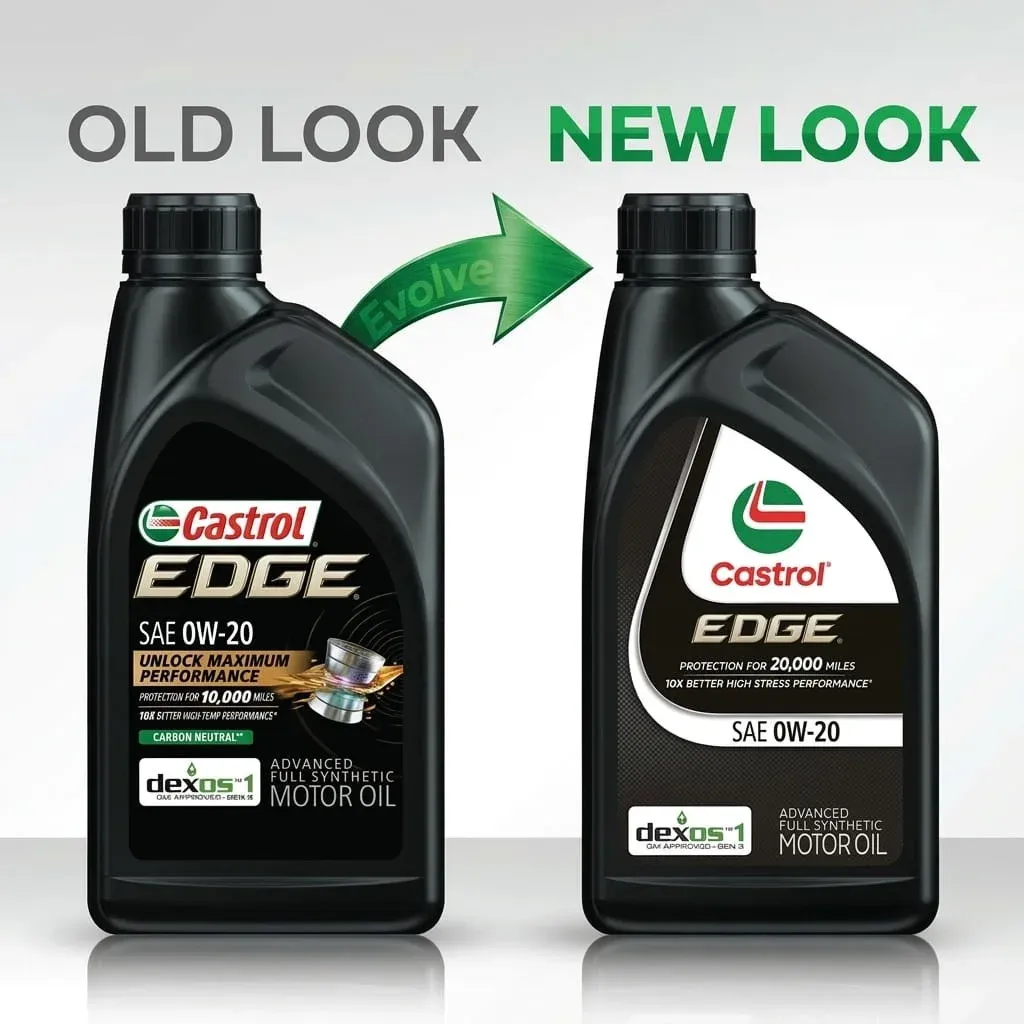
So, here’s the deal: this is Castrol’s top-tier synthetic oil, all modern and shiny, built on their much-hyped “Fluid Titanium Technology” thing they keep shouting about. The product comes with a stack of approvals—seriously, it’s a laundry list—especially if you’re in Europe, where it’s pretty much standard for cars needing those exact ACEA grades or manufacturer-specific approvals. Just—don’t wing it, check the label, the grades are all over the place depending on what you drive.
Why it lands here: Honestly, the real ace up Edge’s sleeve is that dense spec coverage. It passes a ton of requirements, which makes it useful for picky vehicles. What trips it up a little is Castrol’s marketing—those bold claims about titanium making the oil film invincible, their promises of some wild multiple times better protection… Yeah, you can’t really verify that yourself. Castrol’s own pamphlets don’t even nail the numbers consistently. So, as much as they wave that titanium flag, judge it by what’s written on the bottle, not some glitzy tagline.
Who’s it for? It’s gold for European and Asian cars screaming for a very specific automaker stamp of approval. Works well for UK drivers—Edge is everywhere—and anyone who digs the brand’s deep motorsport roots. But if you’re only watching your wallet, skip it. Edge sits pricier than lots of basic synthetics and doesn’t always crush them in spec sheets.
Where does it sit on price? It’s upper mid-range, for sure—not budget, but not crazy high-end either.
Verdict? Honestly, it’s a solid jack-of-all-trades. Tons of approvals, reliable performance. Just make sure to check the label—don’t get suckered in by “titanium power” and all that marketing jazz.
4th place: Pennzoil Platinum
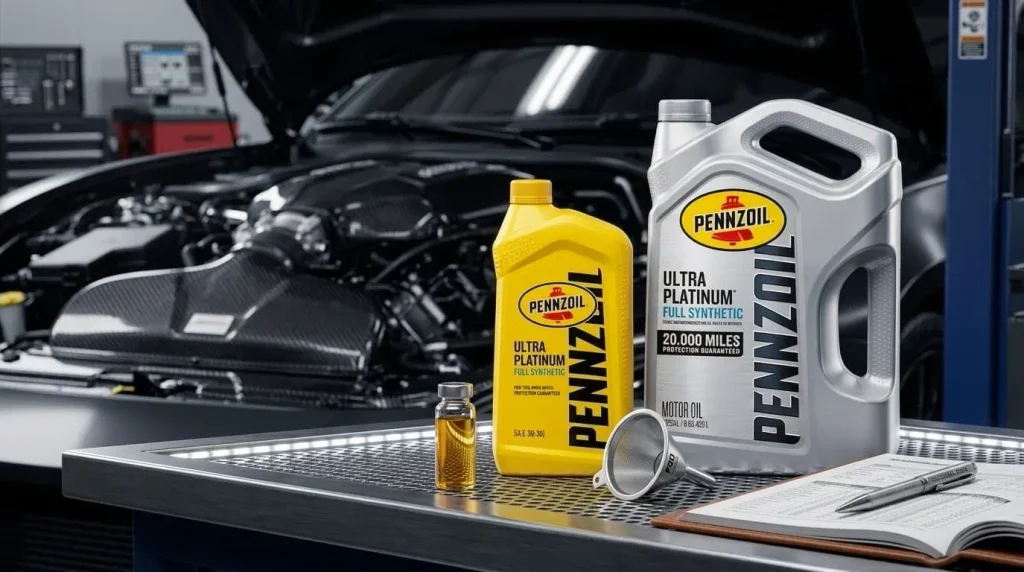
Okay, so here’s the deal: Pennzoil makes this full synthetic oil using their PurePlus technology, which honestly might be one of the quirkiest base oils you’ll find next to the usual suspects. PurePlus isn’t just another run-of-the-mill crude oil—it’s whipped up from natural gas through something called the Fischer-Tropsch gas-to-liquid process. That’s geek-speak for “it’s super clean with barely any junk in it.” But hey, don’t get it twisted—PurePlus isn’t PAO (that poly-alpha olefin stuff you see on nerdy oil charts), even though both are top-notch in their own ways. If you spot “made from natural gas” on the bottle, doesn’t automatically mean you’re getting PAO, so don’t let the marketing mess with you.
Pennzoil’s Platinum line flashes those API and ILSAC badges and stacks up American carmaker approvals, but it depends on which grade you’re grabbing. Ultra Platinum’s got its own stamp collection, too. Here’s a pro tip for GM owners: skip the guessing games—hunt down the dexos logo on the exact bottle, regardless of whether you’re looking at Platinum or Ultra Platinum, because one might cover your car, the other might not.
Why’s this oil getting any love? First off, you’re getting high-end base oil and impressive deposit control without draining your wallet, especially if you’ve got one of those sleek, modern direct-injection engines. It skims on Euro car approvals, though, so if you’re rolling something German, you should keep scrolling.
A quick heads-up about Pennzoil’s shiny guarantees—they tie their protection promises to sticking with your manufacturer’s oil change intervals. But the rules change, the fine print gets complicated (mileage, car age, whatever), so do yourself a favor and check their website for the current deal instead of trusting an old blog post, including, well, this write-up right here.
So, who should use this? It’s pretty much perfect for daily drivers, big American pickups and SUVs, and turbo direct-injection engines if you’re just doing regular maintenance. If you drive a European ride that needs ACEA or fancy German stamps, or you want to stretch your oil changes for ages, this probably ain’t your bottle.
Cost-wise, it hangs in the mid-range and you can often snag it on sale. Overall? It’s a solid bet, well-priced, and actually has a legit base oil story to back it up—not just hype.
3rd place: Shell Helix Ultra
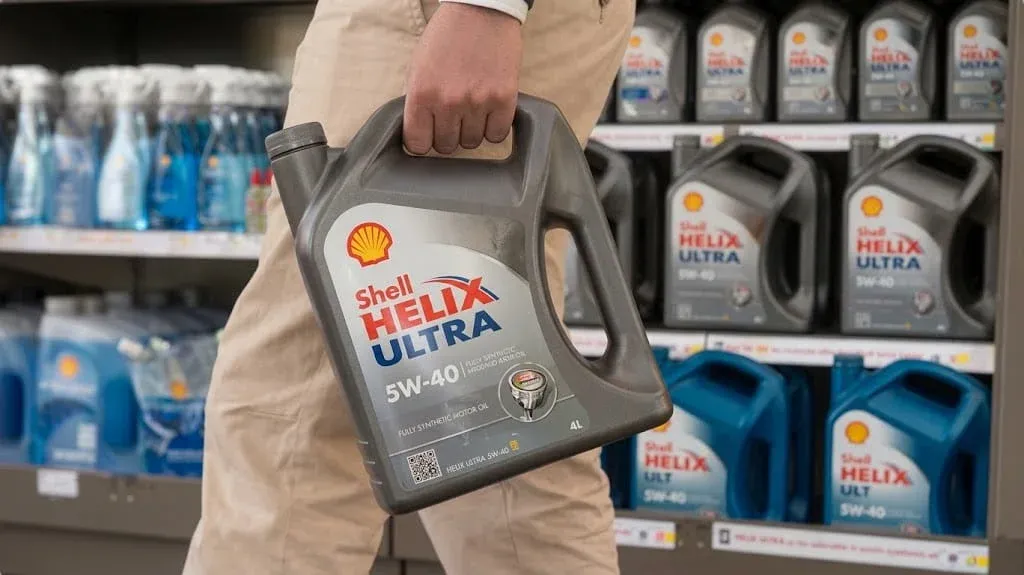
Shell Helix Ultra is Shell’s flagship full synthetic oil for passenger cars. It’s well known in the UK, Europe, and Canada—if you ask around, plenty of drivers will swear by it. One thing that gives it an edge is the base oil. Shell uses its GTL (gas-to-liquids) technology, which they call PurePlus in Helix Ultra. That’s the same tech behind Pennzoil, so the oil starts with a super clean, stable base.
Where Helix Ultra really shines is in its approvals. Unlike some synthetics that just squeak by, Helix Ultra actually covers quite a few major European specs. You’ll find certain grades with VW 504.00/507.00 approvals, the Mercedes MB 229.5/229.52 specs, and several ACEA certifications. The trick is picking the right grade for your car—check your manual and the bottle, since not every Helix Ultra is the same.
So why does it rank high? It’s got strong spec coverage for European and Asian cars, thanks to all those approvals. Plus, with that GTL base oil, you get a stable and reliable product. It also helps that it’s easy to find in the UK; you don’t have to hunt for it. If you’re driving a German car, or pretty much any European model, Helix Ultra makes a lot of sense.
It’s ideal for European cars, UK drivers, and anyone chasing a premium oil without completely busting their budget. But if you’re specifically after a high-mileage formula or an extended-drain oil, Helix Ultra isn’t really tailored for those needs—you’ll want something else.
Cost-wise, it sits in the upper mid-range. You’re paying for quality, but you’re not going overboard. Bottom line? Helix Ultra is a smart choice for European engines, and honestly, one of the best value premium oils out there.
2nd place: Amsoil Signature Series
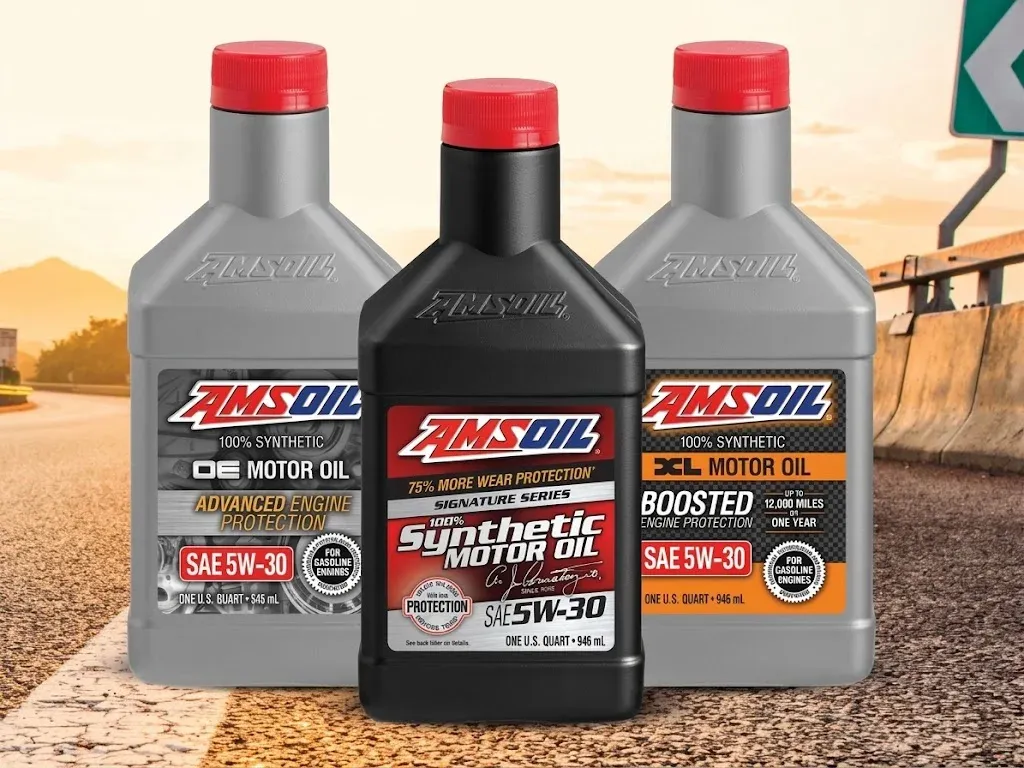
What it is: This is a high-end synthetic from a brand that’s kind of famous for going all-in on synthetic oil.
Base oil: Amsoil says their Signature Series uses PAO as a base, and PAO is just really good at handling heat and resisting thinning. Plus, it flows nicely when it’s freezing outside. That combo is why gearheads swear by it for turbo engines and nasty winter driving.
Intervals: Amsoil pushes really long change intervals for Signature Series, with their own recommended limits for miles and time (up to 25,000 miles or 1 year in normal service). But honestly, that’s their claim, not gospel. If your car’s under warranty, stick to whatever your owner’s manual says, and maybe think about getting your oil analyzed (Blackstone Labs is one of the popular choices) before you try to stretch it out too far.
Approvals: Most grades of Amsoil have the important API and ILSAC certifications, but they don’t always show up on every viscosity, and they don’t have the massive list of carmaker approvals like the big oil brands. That could matter if your warranty wants a specific stamp, so check your car’s data sheet before buying.
Why it ranks here: It nails the protection, keeps things clean, and flows well in the cold. What bumps it out of the top spot is cost and how hard it is to get—usually pricier per quart, and unless you have a dealer nearby, you’re probably buying online.
Best for: Turbo engines, situations where things get hot and heavy, icy climates, older cars, and folks who get a kick out of checking their oil.
Not for: People who just want to grab a bottle anywhere, or whose cars need an approval Amsoil doesn’t have.
Verdict: Probably the best performance on this list if you’re willing to pay. The price and the fact it’s not always easy to find—that’s the downside.
1st place: Mobil 1
Yeh lo final version with external links:
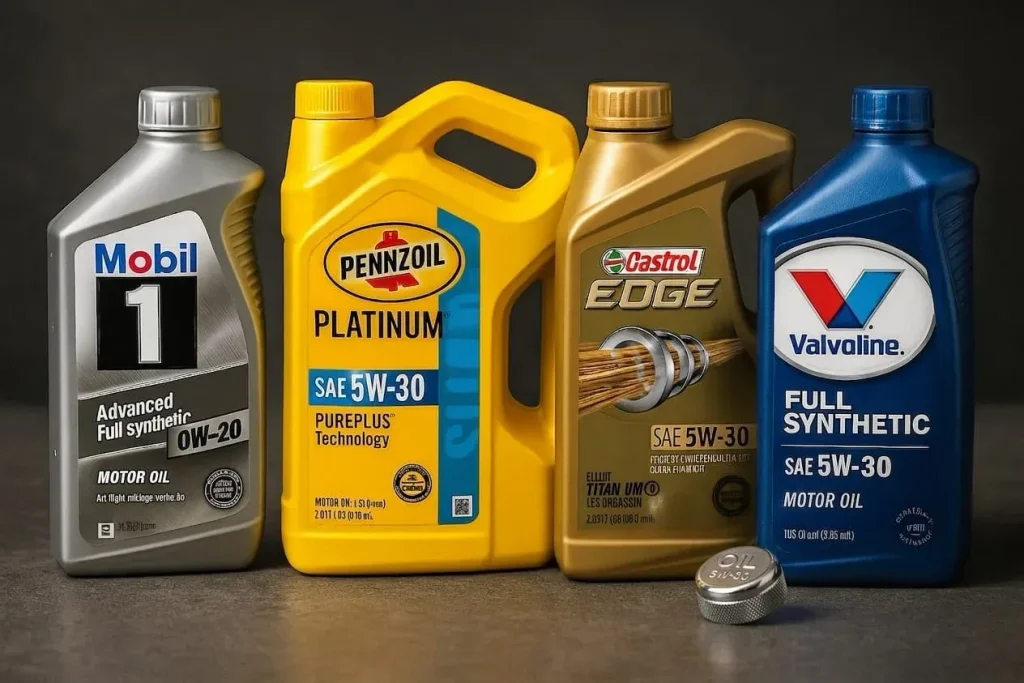
Mobil 1 sits at the top for a reason—really, it’s kind of like the Swiss Army knife of modern motor oils. Quality is solid, the list of manufacturer approvals is a mile long, and you can snag it pretty much anywhere—corner gas station, big-box, you name it. Thing is, most people hear “Mobil 1” and think it’s a single oil. Nope. It’s a whole lineup, each version tweaked for different needs, so grabbing whatever’s on sale doesn’t always cut it; you gotta know which one fits your car.
The bread-and-butter one is Mobil 1 Advanced Full Synthetic. It’s basically tailored for most newer gas engines, whether they’re naturally aspirated or turbo’d—assuming you pick the right viscosity and those magic little manufacturer certifications. And yeah, some of the viscosities carry GM’s dexos1 Gen 3 approval, super important if you’ve got, say, a newer Chevy or GMC. Always flip the bottle around and eyeball the fine print: that’s where you’ll see if it matches what the manual wants.
Then there’s Mobil 1 Extended Performance. This one’s for folks who like stretching out their oil changes—trying to squeeze every mile before swapping. They claim you can go longer between drains, and Mobil markets it as beefed up against heat and gunky build-up. But seriously, if you’re changing oil every 5k miles anyway, you’re tossing cash at a feature you’ll never use. The recipe is a little hush-hush, so if you’re a chemistry nerd, dig up Mobil’s updated product sheet.
For older rides rocking a bunch of miles, there’s Mobil 1 High Mileage. Packed with seal conditioners, it’s their Hail Mary for engines starting to weep or ooze a bit. It’s not a miracle cure, but hey, every bit helps as stuff ages.
Mobil 1 ESP is another story. Tons of people mix it up with the regular stuff, but ESP is really for European cars that run with particulate filters and fancy catalytic converters needing those low-ash ACEA C2/C3 specs. Think BMW, Audi, Mercedes—the bottle needs to list approvals like BMW LL-04 or VW 504.00/507.00. You can’t just slap standard Mobil 1 in these engines and call it good. Match the bottle’s stamp to what your manual demands, or you’re gonna have issues.
Why’s Mobil 1 the top dog? Basically, you’ve got a formula tailored for almost any imaginable scenario, from commuter sedans to Euro turbo diesels. Protection is strong, cold-weather performance is stellar, the approvals cover almost everything, and you could probably find it in a shack in Alaska. It won’t win awards for dirt-cheap pricing, and Amsoil is louder about drain intervals, but Mobil 1’s consistency and accessibility are hard to argue against.
Best fit? Pretty much everyone, as long as you actually pick the Mobil 1 version that matches your engine. Not ideal for Mazda rotaries (they have their own weird needs) or anyone hunting bargains like it’s Black Friday.
Price-wise, it’s upper mid-range—not a wallet destroyer, but definitely not bargain bin. In my book, if someone asks what oil to use and they want the safest choice without obsessing over obscure specs, Mobil 1’s the answer. Actually, I’d recommend it first to nearly anyone unless, y’know, you’re driving a rotary or want to pinch pennies.
Which oil should you buy?
| Your situation | Good picks |
|---|---|
| Daily commuter, normal intervals | Mobil 1 Advanced, Pennzoil Platinum, Valvoline Advanced |
| Turbocharged direct-injection engine | Mobil 1, Amsoil Signature Series, Pennzoil Platinum |
| European car (VW, BMW, Mercedes) | Shell Helix Ultra, Castrol Edge, Mobil 1 ESP (match the approval) |
| High-mileage engine | Mobil 1 High Mileage, or a high-mileage grade from your preferred brand |
| Cold climate | Amsoil Signature Series, Mobil 1 |
| Tight budget | Valvoline Advanced, Pennzoil Platinum |
Whatever you choose, match your manual first, then use this table as a tie-breaker.
Is Mobil 1 better than Pennzoil Platinum?
For me, Mobil 1 comes out just a bit ahead, mostly because it covers a wider range of specs and has more options. Pennzoil Platinum still holds its own—great oil, and you can usually find it for less. For an everyday car under regular driving conditions, honestly, either one will do the job well.
Can you use GF-7 or API SQ oil in an older car?
Yes, as long as you stick to the right viscosity recommended in your owner’s manual. According to API, GF-7A oils work in place of GF-6A or earlier. Just double-check if your car requires a specific brand approval—you still need that.
Does synthetic oil really last 10,000 miles?
Some oils can handle that distance, but only if your car’s manual says it’s okay. Tough driving—like city traffic, towing, or lots of short trips—cuts oil life short. If you’re thinking of stretching intervals, get a used oil analysis first (labs like Blackstone are popular) and see how things look.
Will using synthetic oil void your warranty?
Usually not, as long as the oil meets your car’s listed specs and you keep good service records. But always read your warranty booklet just to be sure.
Does a pricier oil always protect better?
Nope. It’s better to use an oil that fits your car’s needs than to splurge on something fancy that isn’t the right match.
Mike runs Car Care Hubs, a site about oil, maintenance and car care.
Disclosure And Disclaimer
This article is for general information and is not professional mechanical advice. Always follow your owner’s manual and your manufacturer’s warranty terms. Product details, approvals and prices change, so confirm them on the bottle and the manufacturer’s data sheet.
So helpful 😁
Pingback: Best Oil Filters 2026: Cheap vs Premium Oil Filters Compared