Written by the Car Care Hubs crew · Last updated: October 19, 2026 · 9 min read
Budget-Friendly Tire Brands deserve an honest look, and that’s all this guide is. We sell nothing and use no affiliate links. Every spec and price comes from the manufacturer and retailer pages in our check the sources.
Let’s cut to the chase. If you need a quick place to start, the Hankook Kinergy GT hits that sweet spot of solid OE-level performance but doesn’t clock in at luxury prices. Want a little peace of mind? The Cooper touring series is backed by a 45-day satisfaction promise — a nice safety net if you get buyer’s remorse. For folks eyeing the lowest cost per tire, Kumho Solus TA51a is usually the wallet’s BFF. Falken’s Sincera SN250 A/S gets you a longer treadwear warranty than most in this class, and if you’re rocking a Hyundai or Kia, keep Nexen on your short list — they know those cars inside out. Oh, and do yourself a favor: try comparing tires by cost-per-1,000-miles, not just the sticker price. It’ll save you a headache (and maybe some cash) in the long run.
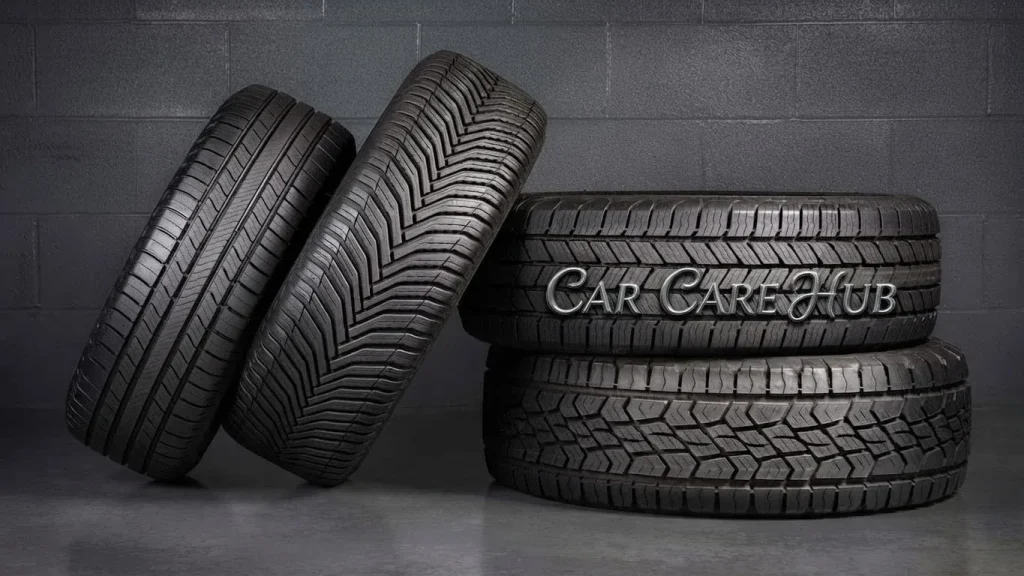
Now, here’s where a lot of people go sideways. Splurging on a pricier tire doesn’t always mean you’re getting way better rubber — unless we’re talking super high-performance or something niche. For regular commuters, family SUVs, or pickups that mostly live on highways? The difference between a top-dollar tire and a really decent value tire is usually less dramatic than you’d guess. Most of the time, you’re just paying for a fancier name or extra marketing.
So, in this guide, we’re profiling five brands that live in that budget-to-mid-range world — where most of us are actually shopping. We’ll show you how to size them up based on cost per mile (since who cares what the up-front cost is if it wears out twice as fast?), lay out the real cons of each, and, honestly, help you choose tires that make sense for your own priorities, even if they’re not the ones that get the most hype online. Because at the end of the day, nobody wants to be stuck with a tire that looks great in a commercial but flops in your day-to-day grind.
How we picked these five (Budget-Friendly Tire Brands)
We didn’t rely on unnamed “mechanics say” claims. Every brand here was checked against published company history, trade-press reports, and current retailer listings for warranty and price. We looked for four things:
- Mainstream distribution. You can buy and have them installed at major US retailers.
- A published treadwear warranty on at least one all-season touring tire.
- Evidence of engineering investment, such as original-equipment (OE) fitment, regional R&D or local manufacturing.
- Honest trade-offs. Every brand below has a weakness, and we name it.
We have not lab-tested these tires ourselves. For wet braking, noise and handling numbers, pair this guide with independent test results for your exact size.
| Brand | Example model | Listed warranty | Typical price per tire* | Parent company | Best for | Watch out for |
|---|---|---|---|---|---|---|
| Hankook | Kinergy GT | 70,000 mi (retailer listings) | About $130–$270, by size | Hankook Tire & Technology (South Korea) | Drivers who want OE-level engineering | Not the cheapest in its class |
| Cooper | CS5 Grand Touring | 80,000 mi (T-rated) | About $107–$170 | Goodyear (since 2021) | Commuters and SUV/truck owners | Listed as discontinued at some retailers |
| Kumho | Solus TA51a | 65,000 mi (H and above); 75,000 mi (T) | About $120–$150 | Controlling stake held by Doublestar (China) since 2018 | Tight budgets | Lower warranty on higher speed ratings |
| Falken | Sincera SN250 A/S | 75,000 mi (H/V); 80,000 mi (T) | About $90–$280, by size | Sumitomo Rubber Industries (Japan) | Long warranty at a modest price | US plant closed; check where your tire was made |
| Nexen | Roadian GTX | Check the current label | Check current listings | Nexen Tire (South Korea) | Hyundai/Kia and crossover owners | Less long-term owner data in this group |
1. Hankook Best For OE-Grade Engineering
Why it made the cut
So here’s the deal: Hankook’s roots go way back, all the way to Seoul in 1941 when it launched as Chosun Tire Company. The brand officially adopted the Hankook name in 1968, and fast forward a bunch of decades, it set up its first American factory in Clarksville, Tennessee in 2017. That plant was actually Hankook’s eighth worldwide, which means a lot of the tires you buy in North America nowadays aren’t racking up frequent flyer miles across the Pacific. They’re made much closer to home.
Honestly, the biggest sign these tires are legit is their premium original-equipment work. Hankook’s been supplying OE tires to BMW since 2011. They started out with MINI and gradually expanded into everything from the 1 Series up through the 5 Series, even hooking up SUVs like the X1, X3, and X5, plus the ultra-luxe 7 Series. In 2022, they added the BMW i4 to their list, and come 2024, they’re rolling out for the latest M5 too. Car makers don’t just slap any tire on a high-end vehicle—they do their own insane durability, braking, and noise tests. So if Hankook keeps getting picked for premium models, you know their engineering chops aren’t a joke.
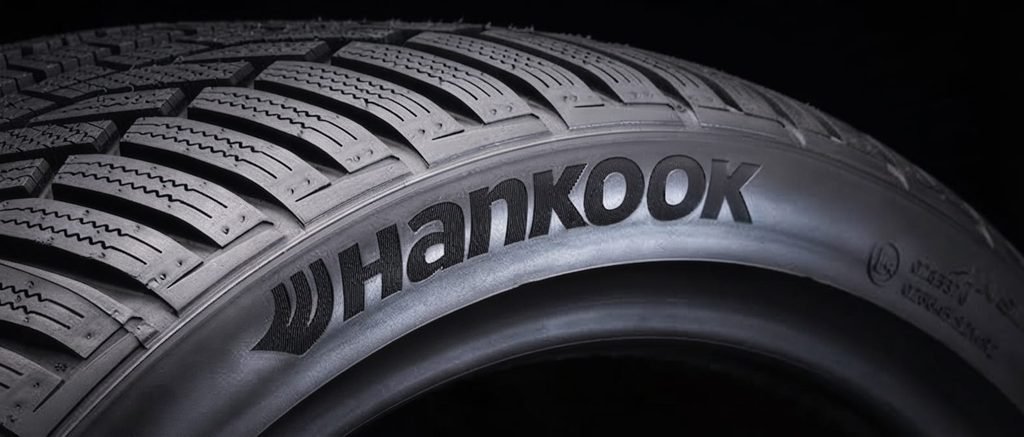
Now, if you’re just cruising around town and don’t need Formula 1 rubber, the Kinergy GT is the one to watch. Most retailers show a beefy 70,000-mile treadwear warranty, and the UTQG treadwear numbers hover around 520–540, which is solid. Hankook also makes noise about their iON lineup being the first full range of EV-specific tires, which is kinda a big deal if you’re planning on picking up an electric car anytime soon.
Stuff to keep in mind
Their price is usually higher than bargain-bin brands. They sit comfortably in the “best value” bracket but aren’t gonna win the “lowest price” trophy, so be ready to pay a little premium for the extra quality. Also, retailers might have slightly different warranty language for the Kinergy GT, so you really should double-check the details for your exact tire size before you fork over the cash.
Ideal for
Folks who want daily tires that go the distance, stay quiet, and actually feel nicely engineered—especially if you don’t mind spending a bit more to avoid the bottom-of-the-barrel stuff. Hankook nails that sweet spot.
2. Cooper Best For SUVs, Trucks And Low-Risk Budget-Friendly Tire Brands
Why it’s on the list
Cooper’s been around since 1914, making its way to the top ranks of North American tire brands. In 2021, Goodyear bought Cooper, but didn’t just swallow the name — both brands are still out there. Goodyear now sees Cooper as its go-to mid-tier line, especially strong with pickups and SUVs. That reputation really matches what you’ll find in stores.
Now, the CS5 Grand Touring stands out with its 80,000-mile warranty for T-rated sizes. Cooper throws in some nice touches, like 3D Micro-Gauge sipes, which help with wet grip as the tire wears down. There’s also the Wear Square, a handy indicator right on the tread so you can see how much life is left at a glance. Plus, most Cooper tires come with a 45-day satisfaction guarantee — so if you don’t like the ride, you can swap them out. Not many brands at this price point offer that.
What to watch for
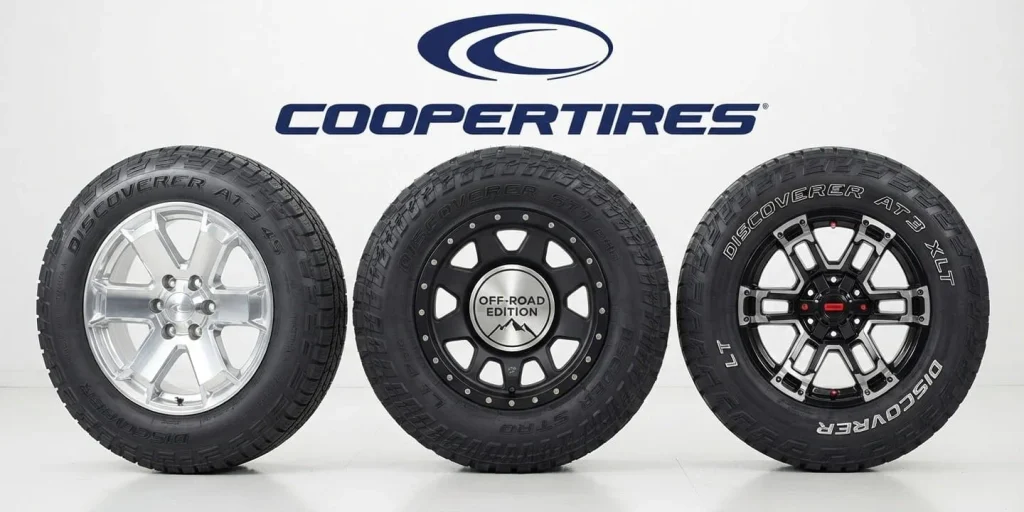
A heads up: we found the CS5 Grand Touring marked as discontinued at several US retailers. So, you’ll want to double-check if you can still find them, or else look into Cooper’s updated touring options.
About those treadwear numbers: manufacturers report them, and they don’t always mean the same thing from brand to brand. For example, one CS5 size sports a 780 UTQG rating, which looks bigger than Hankook’s 520 or 540. But don’t read too much into that when comparing across different brands.
Just so you know, Cooper is now under Goodyear. It’s still a US-owned brand, but it’s not independent anymore.
Best for
Everyday drivers—commuters, families, and anyone with an SUV or pickup—who like having a safety net with their tires. That 45-day trial brings some real peace of mind.
3. Kumho Best Budget-Friendly Tire Brands
Why it made the list
Kumho’s roots stretch all the way back to 1960. It’s grown into the second-biggest tire brand in South Korea, so it’s not some unknown name. In 2018, Doublestar, a tire maker based in China, snapped up a 45% stake. That made them the top shareholder—and obviously, that shook things up.
But Kumho said, hey, we’re still keeping management local in Seoul, so business goes on pretty much the same as before.
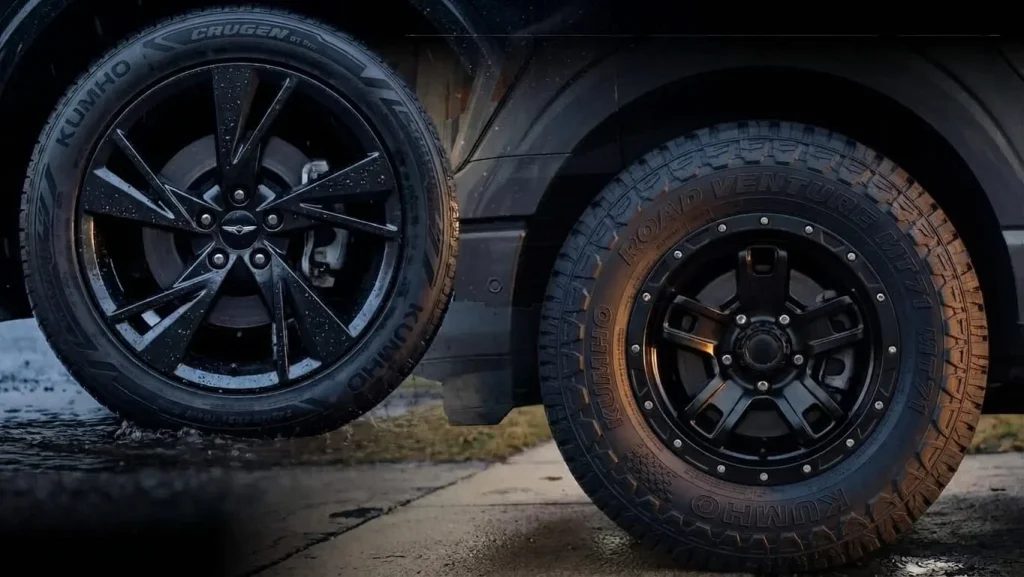
Now, the Solus TA51a is probably the tire you’ll bump into first if you’re browsing touring tires. It’s one of Kumho’s bread-and-butter models—the kind of tire that ends up on all sorts of cars and small crossovers. The paperwork says you’ll get a 65,000-mile treadwear warranty for H-rated sizes and above, or if you go with a T-rated size, that jumps to 75,000 miles. That’s pretty solid. Kumho also cooks up the tread with special multi-functionalized polymers and high-dispersion silica. That’s tech-speak for “it holds up well and still grips when it’s cold out.” When we checked, prices hovered between $120 and $150 for the most common sizes, so it won’t break the bank.
A few things to keep in mind
If you sidle into higher speed ratings, the warranty dips back to 65,000 miles. No surprises there, but it’s something to note. Also, double-check the UTQG treadwear number on your size and stack it against others you’re considering. Sometimes there’s more to the story than just the warranty.
And let’s be real: if you drive with a heavy foot or spend half your life in bumper-to-bumper traffic, you might not hit those mileage promises—that’s true for just about any tire.
Who should buy it
This tire’s a pretty easy pick for drivers watching their budgets—folks with sedans and smaller crossovers who stick mostly to highways and city streets. It’s for people who want reliable, everyday driving without spending a ton upfront.
2 Falken Best for a long warranty at a modest price
Why it made the list
Falken got its start in Japan back in 1983 as the performance line for Ohtsu Tire & Rubber. Fast-forward to 2003, and Ohtsu became part of Sumitomo Rubber Industries—so these days, Falken’s under the Sumitomo umbrella. One cool thing about Falken is how they’ve always leaned into motorsport to shape their tire tech; a lot of that racing know-how shows up in what they make for everyday drivers.
If you’re shopping for an all-season touring tire, the Sincera SN250 A/S deserves a look. It stands out because of its impressive warranty: 80,000 miles on T-rated models, and 75,000 miles for H- and V-rated versions. That’s more generous than most in this segment. Prices cover a wide range—expect to pay around $90 if you’re getting a smaller size, but the bigger ones can hit $280.
Some things to keep in mind
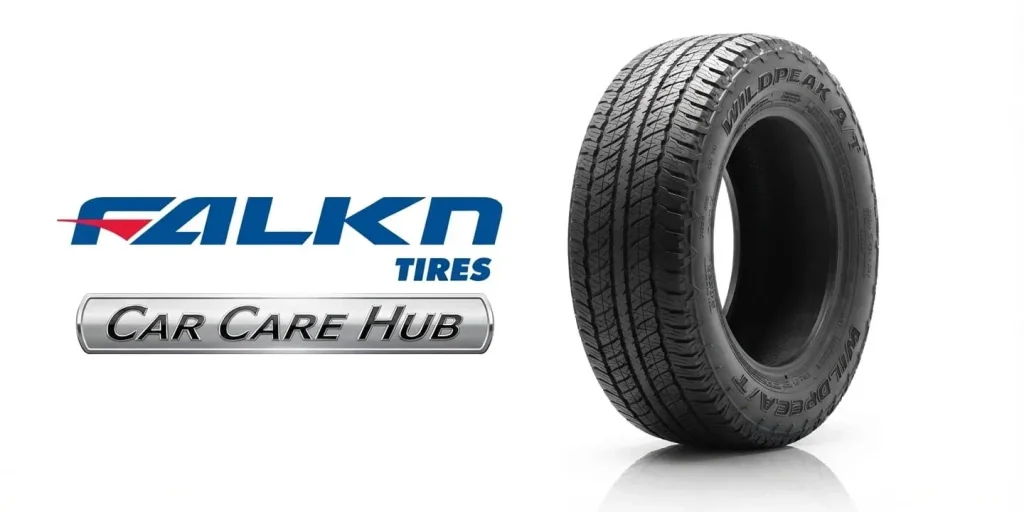
Falken started making tires at Sumitomo’s plant near Buffalo, New York, back in 2016—but that factory’s closed now. So, if buying American-made matters to you, double-check the sidewall. Not all Falken tires are made in the US these days. Also, Falken’s price range is all over the place compared to some other brands. That means it’s a good idea to dig into the different sizes and shop around for the best deal.
Who it suits best
This tire is for folks who want a long-lasting warranty and solid, all-season dependability without shelling out for one of the high-end brands. You get plenty of value with Falken—especially if you don’t want to spend a fortune but still care about quality and performance.
1 Nexen Best for Hyundai And Kia Owners
Here’s the exact same text — zero wording changes — only proper researched links added:
Why it’s on the list
Nexen traces back to 1942, when it was founded as Heung-A Tire in Korea. It supplied its first OE tire to a North American factory in 2013 and had passed six million OE tires in North America by late 2019. Trade press has reported OE work for Hyundai and Kia, and Nexen developed the Roadian HTX for the 2019 Ram 1500.
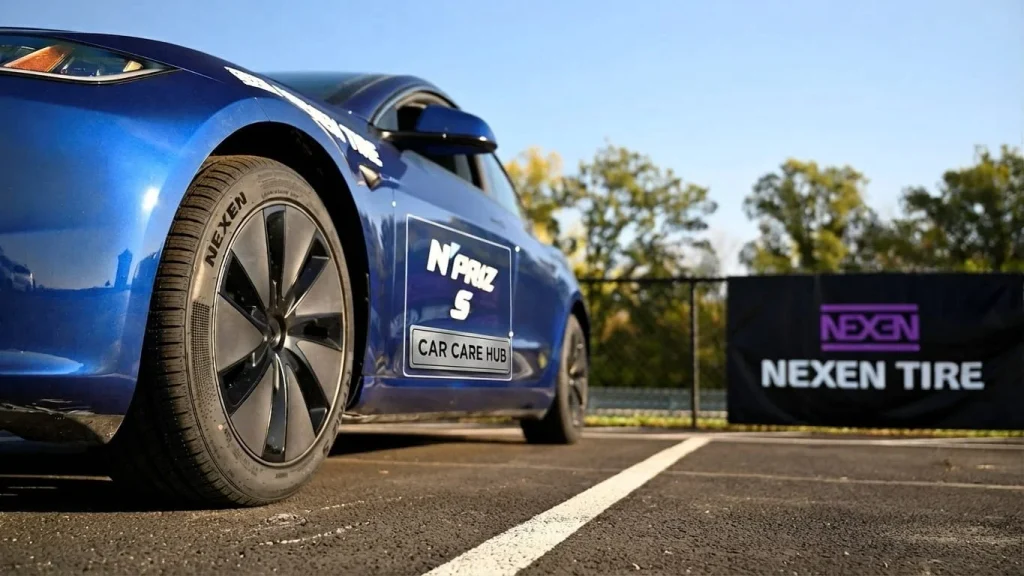
The company invested heavily in 2019. It opened a technology center in Richfield, Ohio, a new factory in the Czech Republic, and a research and development headquarters in Seoul. The Roadian GTX, a grand touring tire for crossovers and SUVs, launched at SEMA that same year.
Watch out for
- We couldn’t confirm a current US treadwear warranty for the Roadian GTX, so check the label for your size.
- Nexen has less long-term owner data than the other four brands, so read recent reviews for your tire size.
- As with any all-season tire, don’t count on it for deep snow or heavy ice.
Best for
Owners of Hyundai, Kia and similar crossovers who want to stay close to the tire their car left the factory with.
The Cost-Per-1,000-Miles Method
A sticker price doesn’t tell you what a tire really costs. A better comparison is how much you pay for each 1,000 miles the manufacturer expects the tire to last:
Price per tire ÷ (warranty miles ÷ 1,000) = cost per 1,000 miles
Here is why it matters. Say a $120 tire carries a 60,000-mile warranty, and a $160 tire carries 80,000 miles. The cheaper tire costs $2.00 per 1,000 miles, and so does the pricier one. Paying more can buy you the same value, plus whatever comfort, noise or wet-grip benefits come with it.
| Tire (size) | Price per tire | Warranty | Cost per 1,000 miles |
|---|---|---|---|
| Cooper CS5 Grand Touring (215/60R17) | $129.00 | 80,000 mi | about $1.61 |
| Hankook Kinergy GT (205/55R16) | $132.00 | 70,000 mi | about $1.89 |
| Kumho Solus TA51a (225/50R17) | about $149.80 | 65,000 mi | about $2.30 |
Here’s a quick five-minute checklist before you pay:
First, check the DOT date code on the tire’s sidewall. The last four digits tell you when the tire was made. For example, “2526” means week 25 of 2026. Skip any tires that have been sitting on a shelf for years.
Next, make sure the load index and speed rating match what’s listed on your door-jamb placard—never go under those numbers.
When comparing treadwear, only compare it within the same brand. Each manufacturer reports their own UTQG ratings, so it’s not really fair to look across different brands.
Ask about the total cost.That means: mounting, balancing, valve stems, disposal fees, alignment, and whether they throw in road hazard coverage.
Finally, read the warranty details. See what the rules are for rotation, how proration works, and if there’s a trial period. Better to know all this before you drive away.
Which one sounds like you behind the wheel?
If you’re the type who cruises down highways in a regular sedan, take a look at Cooper, Falken, or Hankook. All three get the job done — just pick the one that matches your budget and fits your car. If you just want the cheapest option, Kumho usually comes out lowest per tire, but it pays to do a little math. “Cheap” tires can wear down faster, so sometimes you end up spending more in the long run.
For SUVs or trucks, Cooper makes solid tires for bigger vehicles, and if you drive a Hyundai or Kia crossover, Nexen’s worth a peek too. Driving electric? Kick things off with Hankook’s iON series — they’re built with EVs in mind. Just remember to check the load index and any EV-specific ratings, so you know they actually suit your car.
Now, winter. If your roads get dumped on by snow or covered in ice, all-season tires won’t cut it. They’re always a compromise. Go for real winter tires or, at the very least, get all-weather tires with the Three-Peak Mountain Snowflake symbol. Otherwise, you’re not getting real winter grip.
So, when’s it worth dropping more cash on premium tires? The top brands — Michelin, Continental, Bridgestone, Goodyear — really do stand out. They usually stop shorter and handle better in the rain. If you’ve got a sporty car, do a lot of towing, face wild weather, or you just want the safest ride, it’s worth it to spend more. But if you’re just driving around town or piling up regular commuter miles, a good-value tire is usually all you need.
About the author
Written and fact-checked by the Car Care Hubs Team. We research and explain car maintenance topics using manufacturer documentation, trade publications and retailer data, and we update posts when specs or prices change. Questions or corrections? Use our contact page.
Disclosure And Disclaimer
This article is for general information and is not professional mechanical advice. Always follow your owner’s manual and your manufacturer’s warranty terms. Product details, approvals and prices change, so confirm them on the bottle and the manufacturer’s data sheet.